Investing in an asphalt plant is not just a purchase. It is a long-term business decision that directly affects your project profitability, construction speed, and market competitiveness. In today’s infrastructure-driven economy, contractors face rising material costs, tighter deadlines, and stronger quality requirements. Therefore, maximizing profit is not only about producing asphalt. It is about optimizing the entire production and construction ecosystem around the plant.
This article breaks down practical, real-world strategies that help contractors and investors increase returns from asphalt plant investments. Each insight is based on construction industry logic, operational experience, and cost-performance analysis that directly impacts project success.
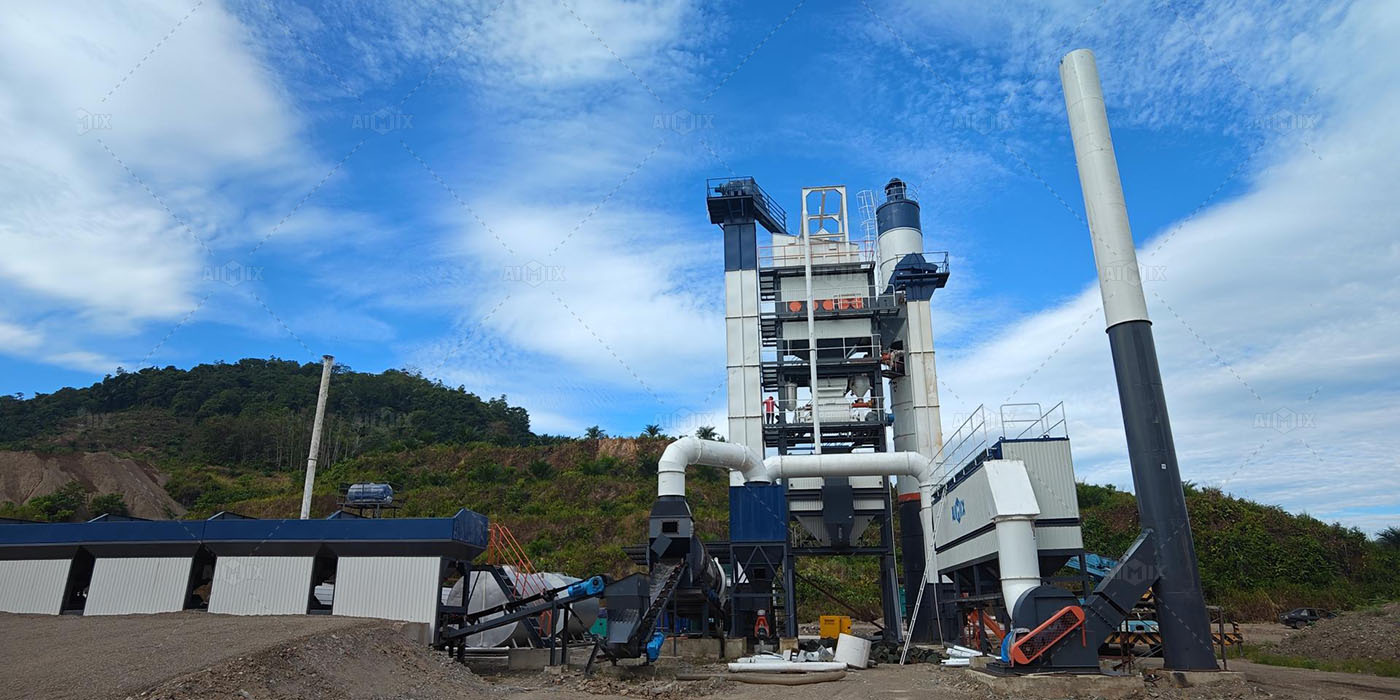
Understand Profit Drivers Before Investing
Before focusing on operations, you must first understand what actually drives profit in an asphalt plant business. Many investors think profit comes only from production volume. However, that is only part of the equation.
In reality, profit comes from a combination of production efficiency, material control, project scheduling, and equipment utilization. When these factors align, your cost per ton decreases significantly, and your profit margin naturally increases.
To move deeper, let’s break down the core drivers that influence profitability in real infrastructure projects. For example, modern aggregate industries asphalt plant solutions are designed to improve material handling efficiency and reduce waste from the very beginning of production.
Production Efficiency And Output Stability
Stable production output is the foundation of profitability. If your asphalt plant frequently stops or produces inconsistent mix quality, your project costs increase immediately. Downtime affects not only production but also road paving schedules and labor efficiency.
Therefore, choosing a plant with stable heating systems, reliable mixing performance, and fast maintenance response will directly increase profit over time.
Material Cost Control
Material cost usually accounts for the largest share of asphalt production expenses. Aggregates, bitumen, and filler materials must be controlled carefully.
Even a small percentage of waste can significantly reduce profit margins in large infrastructure projects. As a result, precise batching systems and intelligent weighing control become essential tools for cost optimization.
Now that we understand the core drivers, the next step is to explore how to optimize operations in real project environments.
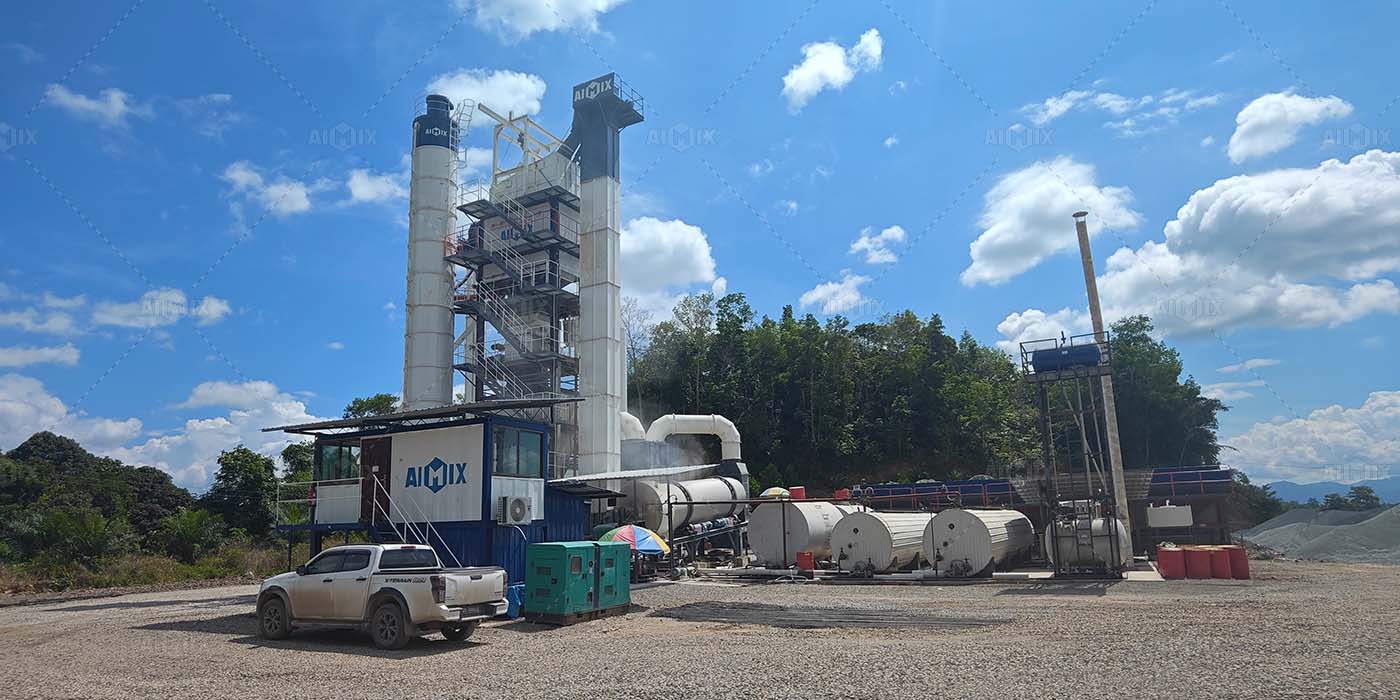
Optimize Plant Selection For Project Type
Choosing the right asphalt plant type is one of the most important decisions for long-term profitability. Many contractors lose money because they select equipment that does not match their project scale or working environment.
To avoid this, you should match plant configuration with project demand, construction duration, and transportation distance. This ensures your investment always works at optimal capacity.
Batch Mix Plants For High-Quality Road Projects
Batch mix plants are ideal for highway, urban road, and government infrastructure projects where quality control is strict. They allow precise control over each batch, which reduces material waste and improves consistency.
Although batch plants may require higher initial investment, they often generate higher long-term profit due to better mix quality and lower rejection rates.
In many cases, contractors rely on an asphalt mixing and batching plant because it provides better control over mix ratios and supports high-standard infrastructure requirements.
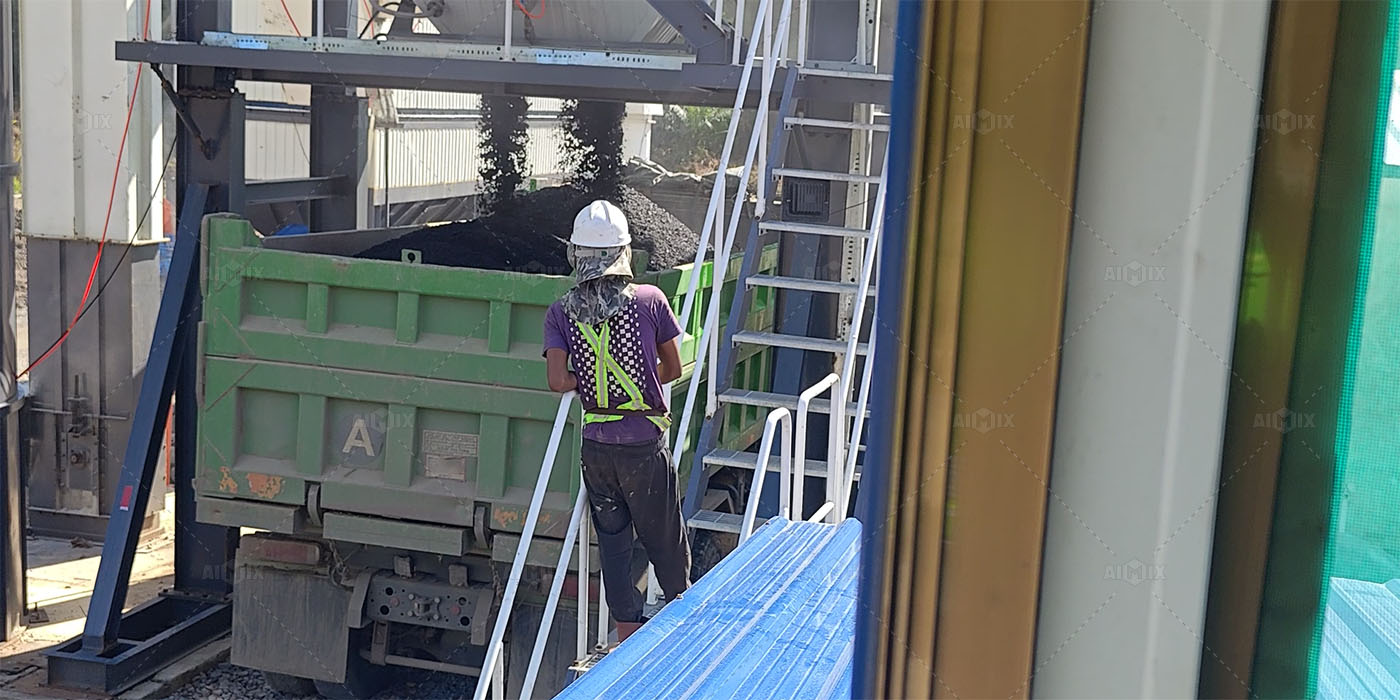
Drum Mix Plants For Continuous Large-Scale Projects
Drum mix plants are better suited for long-distance highways and large-scale continuous paving projects. They offer higher production efficiency and lower operational cost per ton.
If your project requires constant output with minimal variation in mix design, drum mix plants can significantly increase your profit efficiency.
After selecting the right plant type, the next step is to focus on operational efficiency inside the plant itself.
Improve Operational Efficiency On Site
Even the best asphalt plant cannot generate maximum profit if it is not operated efficiently. On-site management plays a critical role in reducing unnecessary costs and improving output.
Efficient operations require coordination between raw material supply, plant operation, and paving execution. When these three elements work in sync, project delays and idle time are minimized.
Reduce Downtime Through Preventive Maintenance
Unplanned downtime is one of the biggest profit killers in asphalt production. Every hour of stoppage leads to lost output and delayed project timelines.
To prevent this, implement a strict preventive maintenance schedule. Regular inspection of burners, conveyors, and mixing systems helps avoid unexpected failures.
Optimize Fuel Consumption
Fuel is another major cost factor in asphalt production. Poor burner efficiency or incorrect temperature control can significantly increase operational expenses.
By optimizing combustion systems and monitoring temperature consistency, you can reduce fuel consumption while maintaining production quality.
Once operational efficiency is improved, the next major profit lever comes from logistics and project coordination.

Strengthen Project And Logistics Coordination
In infrastructure projects, delays are expensive. Asphalt must be produced and delivered at the right time. If coordination fails, material cooling or waiting time increases, leading to waste and rework.
Therefore, logistics planning is just as important as production planning. Efficient coordination between plant and construction site ensures continuous paving and reduces idle time.
Synchronize Plant Output With Paving Speed
One common mistake contractors make is producing more asphalt than the paving team can handle. This leads to material waste and unnecessary storage issues.
Instead, align plant output with actual paving speed. This ensures every batch is used efficiently without delay or overheating.
Reduce Transport Time And Distance
Transport distance directly affects asphalt quality and project cost. Longer transport increases temperature loss and fuel consumption.
To solve this, position your asphalt plant closer to the project site whenever possible. Alternatively, optimize truck scheduling to minimize waiting time.
For fast-moving road projects, choosing a hot mix plant for road construction can also help maintain consistent temperature and improve paving quality during transport.
After improving logistics, the final key to maximizing profit is long-term asset utilization.
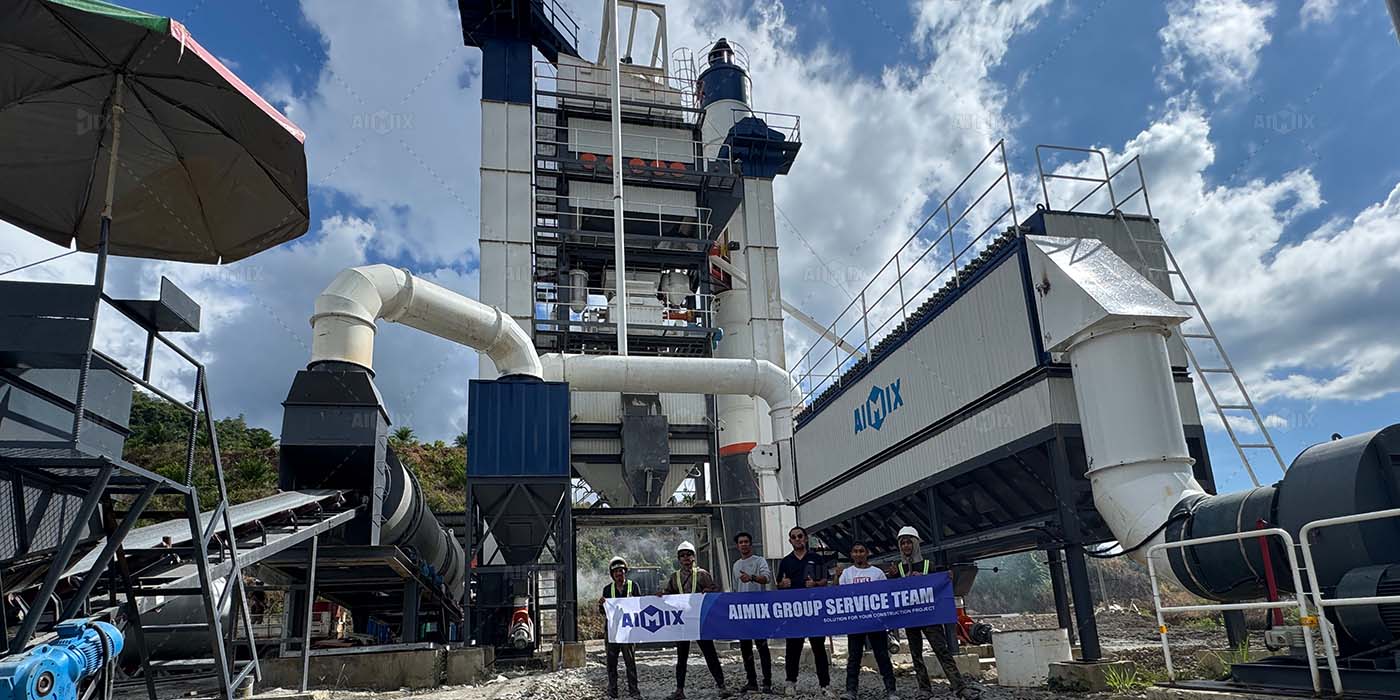
Maximize Equipment Utilization And Project Coverage
An asphalt plant generates profit only when it is actively used. Idle equipment represents lost investment potential.
Therefore, increasing utilization rate is essential for long-term return on investment. Contractors who operate their plants across multiple projects consistently achieve higher profitability.
Use One Plant For Multiple Project Sites
Instead of limiting your asphalt plant to a single project, plan for multi-project deployment. This allows you to maintain continuous production even when one project is completed.
This strategy significantly improves ROI and reduces equipment idle time across seasons.
Expand Into Regional Contracting Opportunities
Infrastructure development is growing in many regions. Contractors who position themselves as regional suppliers gain more project opportunities.
By offering asphalt supply services to nearby contractors, you can turn your plant into a continuous revenue-generating asset.
In this stage, selecting a reliable asphalt mixing plant supplier becomes critical, because long-term support directly affects uptime, maintenance cost, and expansion capability.
Finally, let’s connect all strategies into a practical conclusion for real-world application.
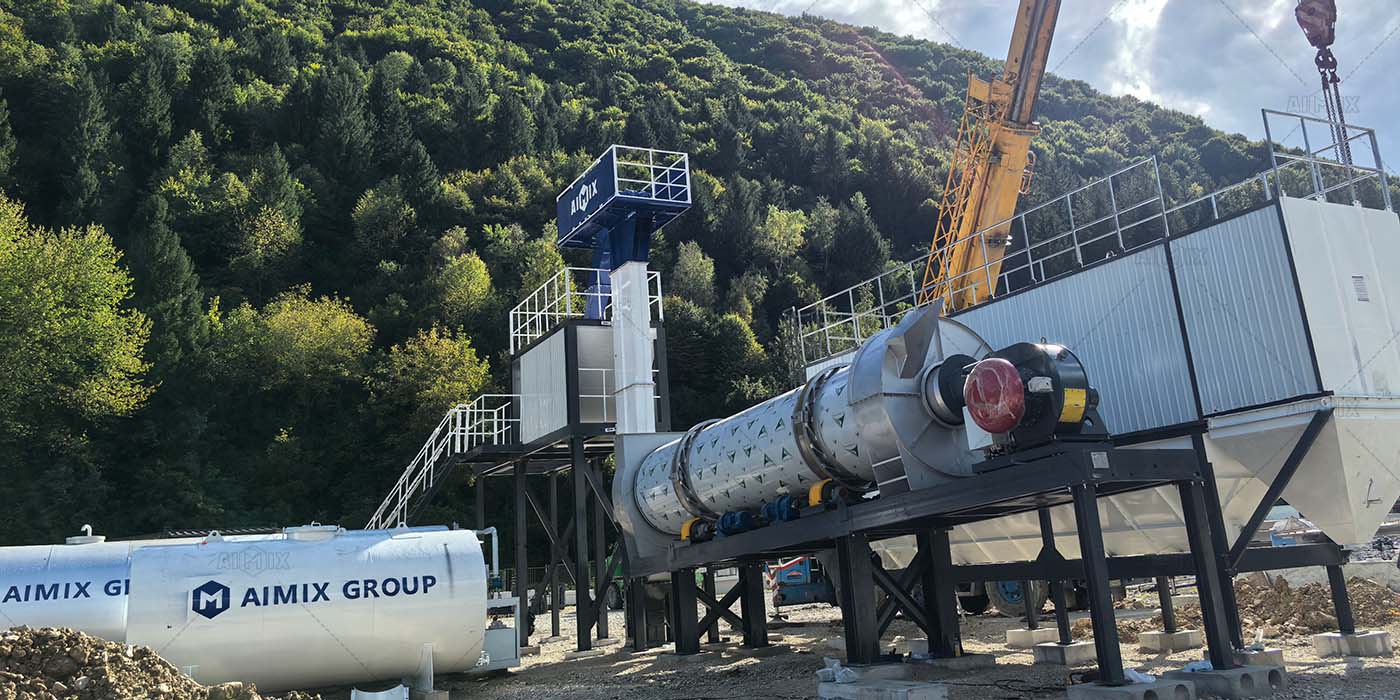
Conclusion: Build A Long-Term Profit Strategy
Maximizing profit from an asphalt plant investment is not about a single action. It is about combining smart equipment selection, efficient operations, strong logistics, and high utilization rates.
When you control production efficiency, reduce waste, optimize fuel consumption, and synchronize project execution, your profit margin increases naturally and sustainably.
In infrastructure projects, competition is strong and margins depend on efficiency. Therefore, contractors who focus on system-level optimization always outperform those who focus only on output.
If you are planning to invest in an asphalt plant or want to improve the profitability of your existing equipment, the right strategy and configuration make all the difference. A well-planned asphalt plant investment is not just equipment—it is a long-term profit engine for your business growth.
Call To Action
If you want to improve your asphalt plant efficiency, reduce operating costs, or select the right plant for your infrastructure projects, now is the right time to take action. Contact a professional equipment supplier who understands real construction challenges and can help you design a profitable solution tailored to your project needs.