Southeast Asia has experienced rapid growth in infrastructure development, urban construction, industrial projects, and residential expansion. Countries such as Indonesia, Malaysia, the Philippines, Vietnam, Thailand, and Singapore continue to invest heavily in roads, bridges, commercial buildings, and large-scale public works. This growth has created strong demand for reliable concrete production solutions. Selecting the right type of concrete batching plant is essential for contractors and investors who need stable supply, high production efficiency, and cost-effective operation. Among various options available in the market, a stationary concrete batching plant, a mobile concrete batching plant, and different configurations of concrete batching plants for sale can meet different project requirements across Southeast Asia.
Factors Affecting Concrete Batching Plant Selection in Southeast Asia
Before choosing suitable equipment, businesses should consider several factors, including project scale, construction environment, land availability, transportation conditions, and local market demand. Southeast Asian construction projects often have different requirements depending on location. Large infrastructure projects usually require continuous concrete production, while remote or temporary construction sites may need flexible and easily movable solutions.
Climate conditions are another important consideration. Many Southeast Asian regions experience high temperatures, heavy rainfall, and humid environments. Therefore, batching plants should be designed with durable components, reliable electrical systems, and effective protection measures to ensure stable operation under challenging conditions.
Stationary Concrete Batching Plant for Large Infrastructure Projects
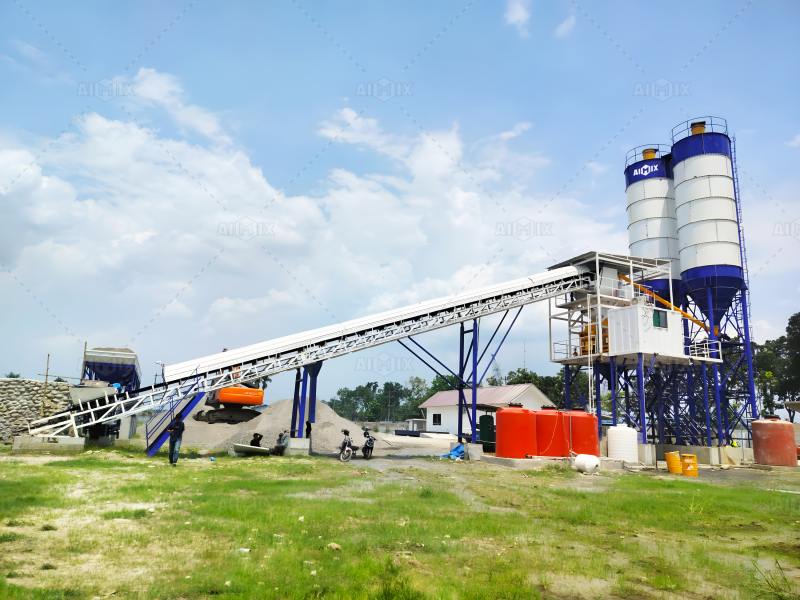
A stationary concrete batching plant is one of the most widely used solutions for long-term construction projects in Southeast Asia. These plants are installed at fixed locations and are designed for high-volume concrete production with stable performance.
Stationary plants are particularly suitable for highways, airports, bridges, dams, commercial complexes, and other large infrastructure projects that require a continuous concrete supply. Their advantages include high production capacity, strong structural stability, accurate weighing systems, and the ability to integrate with advanced automation technologies.
For example, major infrastructure developments in countries like Indonesia and Malaysia often require large quantities of concrete over extended periods. A stationary concrete batching plant can provide consistent concrete quality while reducing production interruptions and improving project efficiency.
Mobile Concrete Batching Plant for Flexible Construction Applications
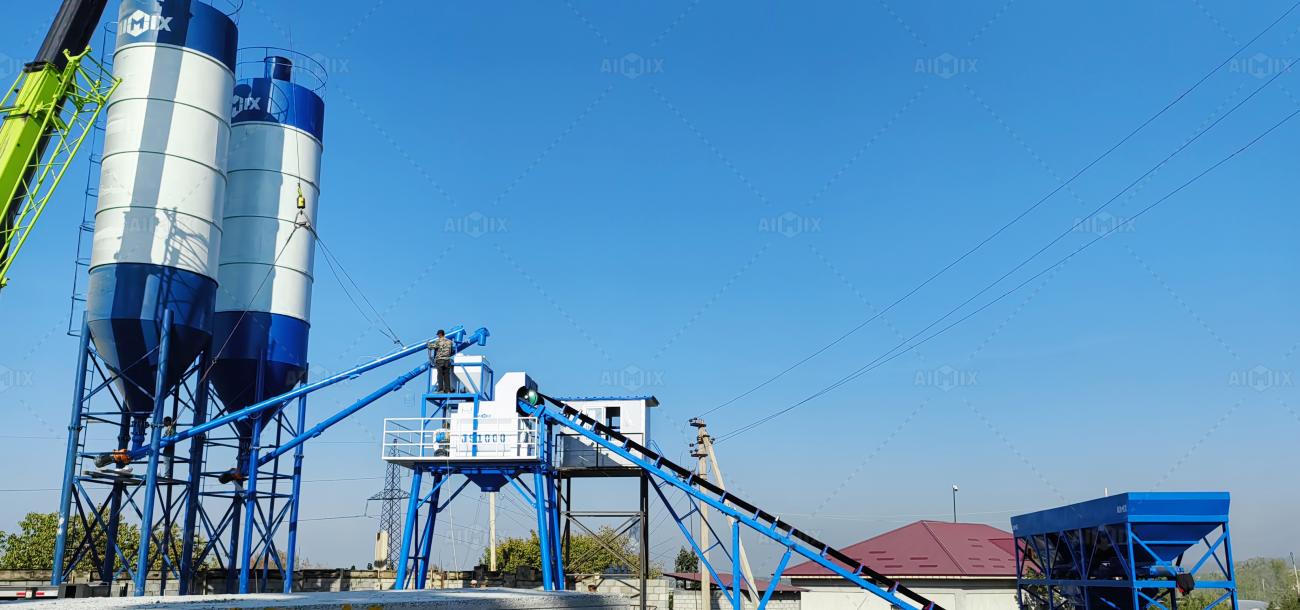
A mobile concrete batching plant is becoming increasingly popular in Southeast Asian markets due to its flexibility and easy transportation. Unlike fixed plants, mobile models can be relocated between different construction sites, making them ideal for contractors handling multiple projects.
Mobile plants are especially suitable for road construction, mining projects, remote areas, and temporary infrastructure developments. Many Southeast Asian regions include islands, rural areas, and locations with limited construction facilities. In these situations, transporting ready-mixed concrete from distant plants can increase costs and reduce efficiency. A mobile concrete batching plant allows contractors to produce concrete closer to the job site, lowering transportation expenses and improving construction speed.
Another advantage is faster installation. Compared with traditional stationary systems, mobile plants usually require less foundation work and shorter setup periods, allowing projects to begin concrete production more quickly.
Compact and Small Concrete Batching Plants for Emerging Markets
Besides large-scale solutions, compact and small concrete batching plants are also suitable for many Southeast Asian construction projects. These plants require less installation space and lower initial investment, making them attractive for small and medium-sized contractors.
Urban construction projects often face limited land availability and strict site conditions. Compact batching plants provide an efficient solution by combining essential components into a smaller footprint while maintaining reliable production performance.
For businesses entering the concrete production industry, choosing smaller concrete batching plants for sale can be a practical way to start operations and gradually expand capacity according to market demand.
Choosing the Right Concrete Batching Plants for Sale
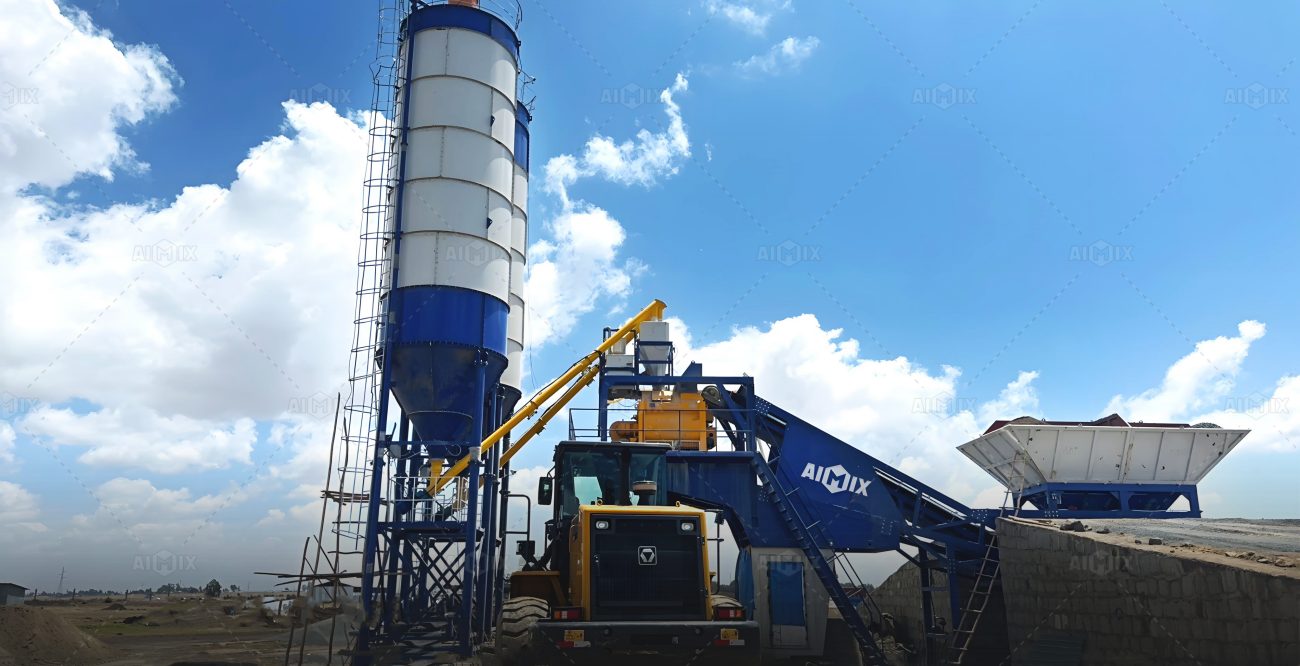
When searching for concrete batching plants for sale, buyers should evaluate more than just the equipment price. The right selection should consider production capacity, mixer type, automation level, energy efficiency, and after-sales support.
A reliable manufacturer can provide customized solutions based on local conditions and project requirements. For Southeast Asian markets, suppliers with international experience can better understand regional challenges, including transportation limitations, environmental requirements, and different construction standards.
Important features to consider include accurate weighing systems, efficient mixers, durable components, dust control systems, and intelligent control technology. These features help improve concrete quality, reduce material waste, and lower long-term operating costs.
Future Demand for Concrete Batching Plants in Southeast Asia
The continued growth of urbanization and infrastructure investment will maintain strong demand for concrete production equipment in Southeast Asia. Governments and private companies are investing in transportation networks, industrial zones, housing projects, and renewable energy facilities, all of which require reliable concrete supply.
As construction projects become more complex, customers are increasingly looking for batching plants that combine efficiency, flexibility, and environmental performance. Advanced automation, energy-saving technologies, and customized plant designs will become more important in future equipment selection.
Conclusion
Different construction environments in Southeast Asia require different concrete production solutions. A stationary concrete batching plant is ideal for large, long-term infrastructure projects requiring high output and stable operation, while a mobile concrete batching plant provides flexibility for temporary and remote construction sites. Meanwhile, various concrete batching plants for sale offer options for businesses with different budgets and production needs. By carefully evaluating project requirements, site conditions, and long-term goals, contractors and investors can select the most suitable batching plant solution to support efficient and profitable construction operations in Southeast Asia.