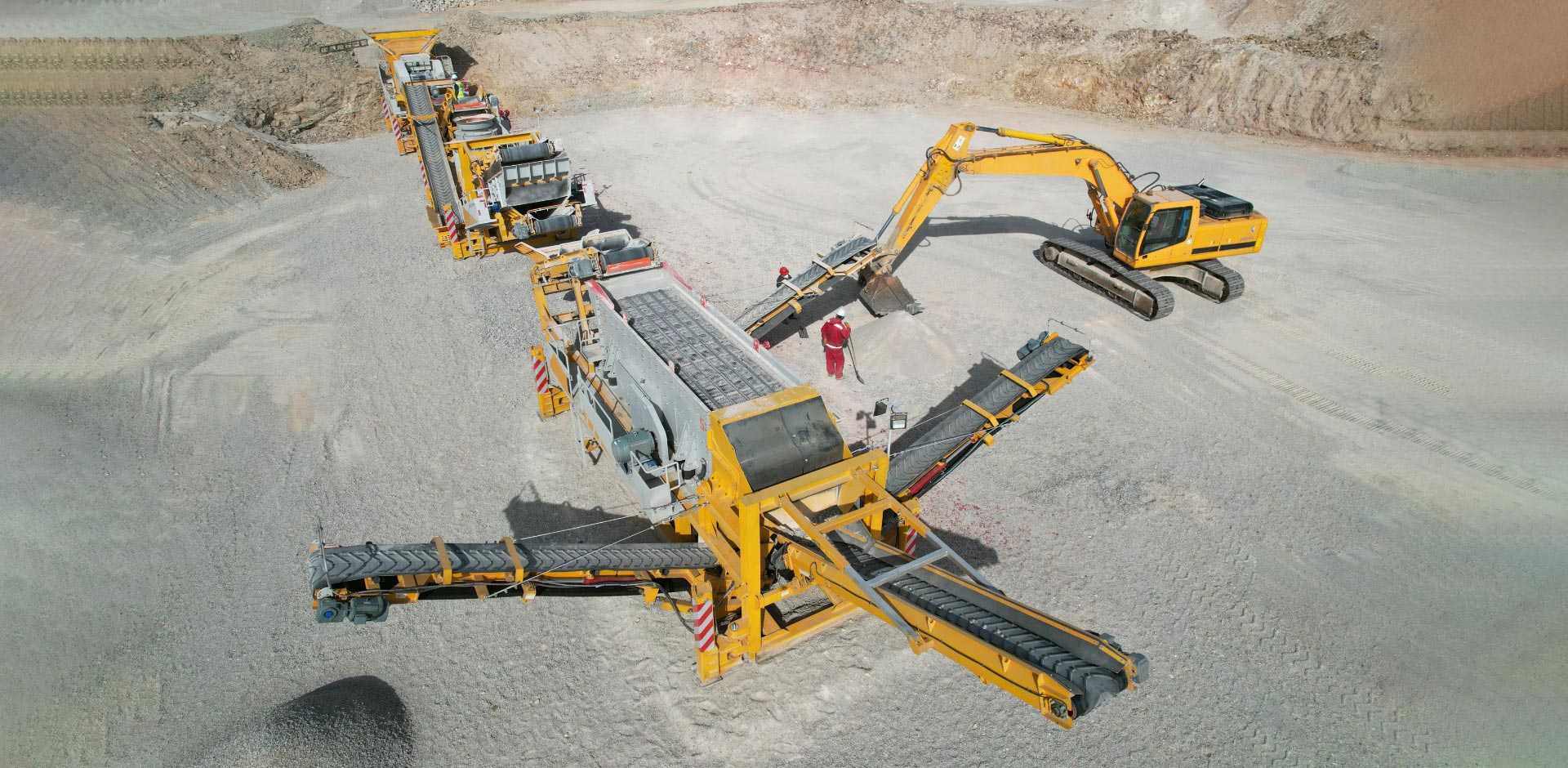
Planning a stone crushing plant for 100,000 tons of annual aggregate demand requires more than dividing the yearly target by 365 days. Quarry operators, aggregate suppliers, and construction contractors must consider actual working days, daily operating hours, equipment downtime, raw material availability, and finished product requirements. Otherwise, a plant that looks sufficient on paper may struggle to meet customer orders during peak construction periods.
For example, a contractor supplying road construction projects may need to deliver several thousand tons of crushed stone within a short period. Meanwhile, a commercial quarry may operate throughout the year and supply different aggregate sizes to concrete batching plants, asphalt plants, and local construction companies.
So, how many tons per hour does a stone crushing plant need to produce to meet 100,000 tons of annual demand? In most cases, a plant in the 50–100 TPH range can be a practical starting point, depending on its operating schedule and actual production efficiency. This guide explains how to calculate the required capacity and select a suitable crushing plant for your business.
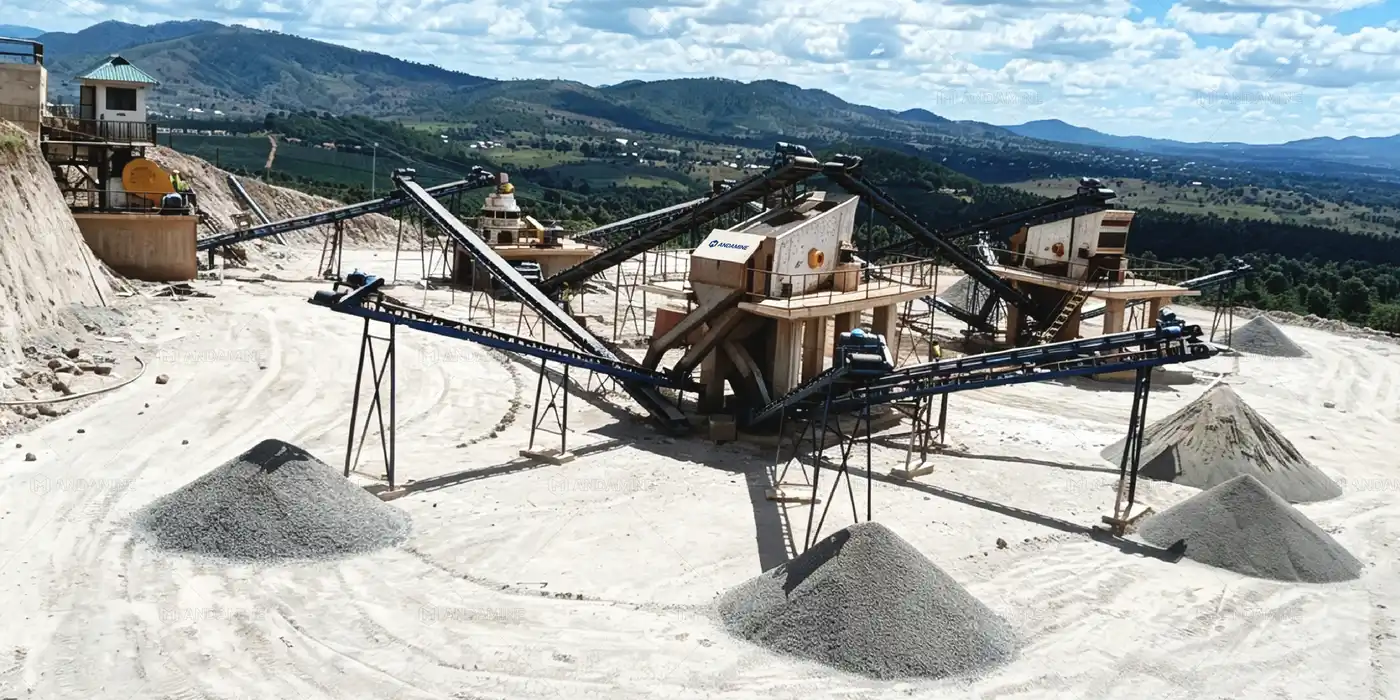
Step 1: Calculate Your Daily Aggregate Production Target
The first step is to determine how many days your crushing plant will operate each year. A plant that runs 300 days annually has a different hourly production requirement from one that operates only 200 days.
Use the following formula:
Daily Production Requirement = Annual Aggregate Demand ÷ Annual Working Days
For a target of 100,000 tons per year, consider three possible operating schedules:
- 200 Working Days: 100,000 ÷ 200 = 500 tons per day.
- 250 Working Days: 100,000 ÷ 250 = 400 tons per day.
- 300 Working Days: 100,000 ÷ 300 = Approximately 333 tons per day.
As you can see, the annual demand stays the same, but the daily production requirement changes significantly. A quarry operating 200 days per year must produce 167 more tons per day than one operating 300 days.
Therefore, do not select a crusher based only on annual demand. First, evaluate the local construction schedule, rainy seasons, raw material supply, transportation conditions, and expected maintenance periods.
Step 2: Calculate The Required Crushing Plant Capacity In TPH
After calculating daily production, the next step is to determine the required hourly output. This figure helps you compare different stone crusher plant capacities.
Use this formula:
Required Hourly Production = Daily Production Requirement ÷ Effective Operating Hours Per Day
Suppose your quarry operates 250 days per year and runs the crushing plant for 8 effective hours per day.
- Annual aggregate demand: 100,000 tons.
- Annual working days: 250 days.
- Daily production target: 400 tons.
- Effective operating hours: 8 hours per day.
- Required finished production: 400 ÷ 8 = 50 TPH.
In this situation, the plant needs to produce an average of 50 tons of finished aggregate per effective operating hour.
However, 50 TPH is the calculated production requirement, not necessarily the recommended crusher nameplate capacity. Real crushing operations experience equipment stoppages, screen cleaning, material changes, maintenance, and variations in feed conditions. Therefore, you should consider an additional production margin.
How Does The Working Schedule Affect Crusher Selection?
Let’s compare three operating schedules for the same 100,000-ton annual demand.
- 200 Days × 8 Hours: 500 tons per day and 62.5 TPH required finished output.
- 250 Days × 8 Hours: 400 tons per day and 50 TPH required finished output.
- 300 Days × 8 Hours: Approximately 333 tons per day and 41.7 TPH required finished output.
- 250 Days × 10 Hours: 400 tons per day and 40 TPH required finished output.
This comparison shows why working hours matter. If your business can extend daily production from 8 to 10 hours, you may meet the same annual demand with a lower hourly production requirement. Nevertheless, longer operating hours can increase labor, fuel or electricity consumption, and maintenance requirements.
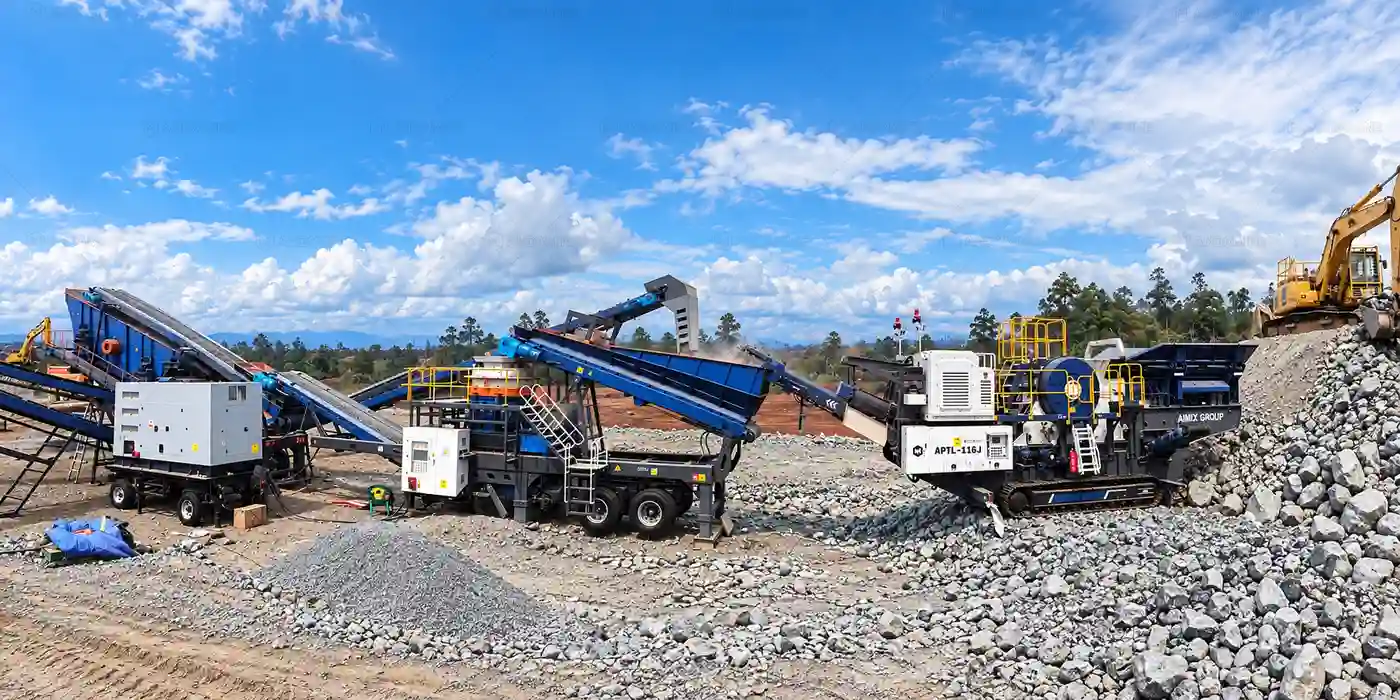
Step 3: Add A Production Margin For Real Operating Conditions
In practice, a crushing plant rarely maintains its theoretical output every minute of the working schedule. Unexpected maintenance, belt replacement, screen cleaning, equipment adjustment, and material supply interruptions can reduce production.
To avoid falling behind annual demand, calculate a suitable capacity margin.
Required Plant Capacity = Required Finished Output ÷ Expected Production Efficiency
For example, assume the project needs 50 TPH of finished aggregate and expects an overall production efficiency of 80%.
50 ÷ 0.80 = 62.5 TPH
This means the plant should deliver approximately 62.5 TPH of finished aggregate during productive operating periods to maintain the target under the assumed efficiency conditions.
However, make sure you understand how production efficiency is defined. If your effective operating hours already exclude maintenance and planned stoppages, do not deduct the same downtime twice. The calculation should reflect the actual production schedule.
Should You Choose A 60 TPH, 80 TPH, Or 100 TPH Crushing Plant?
For the 100,000-ton annual demand scenario, consider the following options:
- 60 TPH Plant: A potential choice for a quarry operating around 250 days annually, provided actual finished output and operating efficiency meet the production target.
- 80 TPH Plant: Provides more production flexibility. It may suit businesses with seasonal demand peaks, additional customer orders, or plans to increase annual sales.
- 100 TPH Plant: Offers greater production capacity and more room for expansion. However, it may involve higher equipment investment, power consumption, and maintenance costs.
For a business with stable demand of 100,000 tons per year, the largest plant is not automatically the best investment. The ideal choice should balance production reliability, equipment utilization, operating costs, and future market growth.
When evaluating individual machines, start with the primary crushing stage. For large raw stones, jaw crusher equipment can reduce the feed material into a manageable size for secondary crushing and screening. However, the feed opening, rock hardness, and required output must all match the actual production target.
Step 4: Consider Raw Feed Capacity And Finished Aggregate Output Separately
One common mistake when purchasing a stone crushing plant is treating crusher feed capacity as finished aggregate production capacity. These figures are not always equal.
A 100 TPH crushing plant may process 100 tons of raw stone per hour under specified conditions. However, the amount of saleable aggregate depends on the feed size distribution, rock characteristics, screening efficiency, recirculation, and final product specifications.
For example, if the plant receives 100 tons of raw material per hour but only produces 85 tons of saleable aggregate, its finished output is 85 TPH rather than 100 TPH.
Use the following formula:
Required Raw Feed Capacity = Required Finished Output ÷ Saleable Product Yield
If your target finished output is 62.5 TPH and the estimated saleable product yield is 85%, the calculation becomes:
62.5 ÷ 0.85 = Approximately 73.5 TPH
Therefore, you should evaluate a crushing circuit with sufficient raw-feed capacity to achieve approximately 62.5 TPH of finished aggregate under the assumed yield.
Actual yield varies by rock type, feed gradation, crusher configuration, and product requirements. A material test and production-flow analysis provide a more reliable basis for equipment selection.
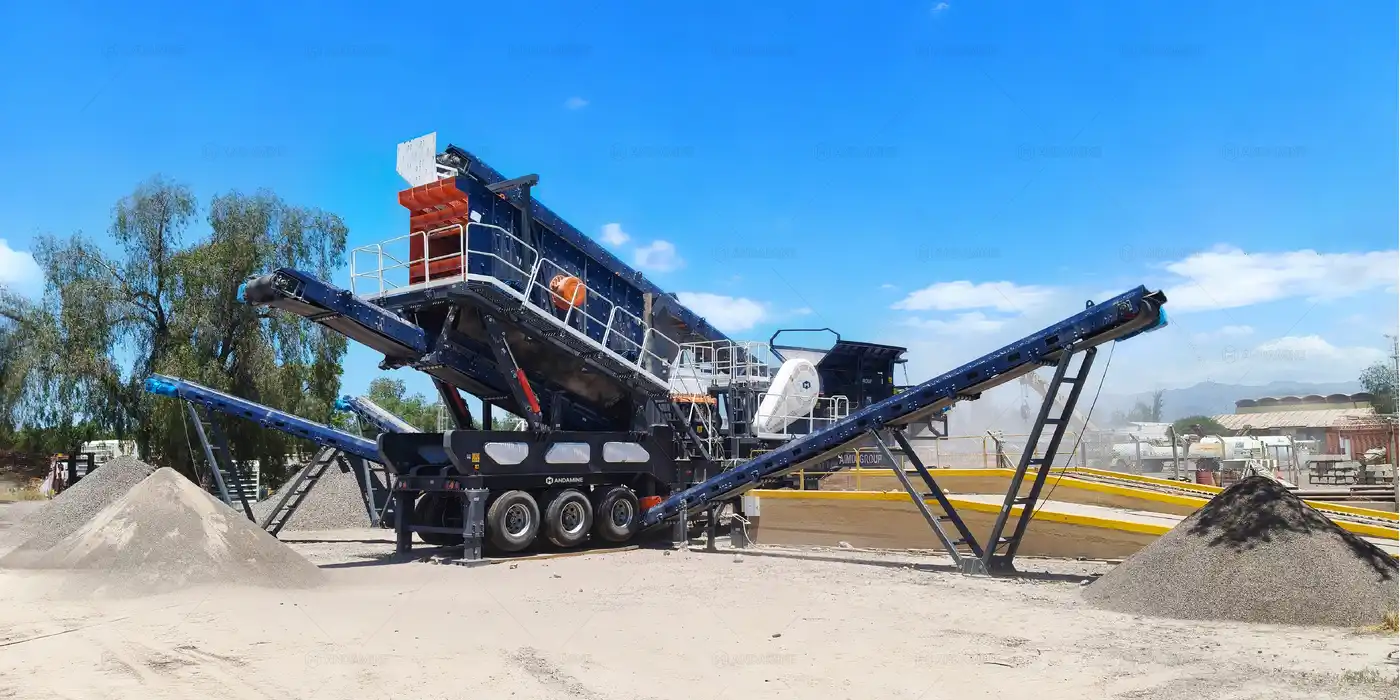
Step 5: Match The Crushing Plant Configuration To Your Aggregate Products
Hourly capacity is only one part of the selection process. You also need to determine which aggregate sizes your customers require.
For example, a quarry supplying road construction projects may produce 0–5 mm manufactured sand, 5–10 mm aggregate, 10–20 mm aggregate, and 20–40 mm aggregate. A supplier serving concrete batching plants may focus more heavily on specific fine and coarse aggregate fractions.
Different product requirements call for different crushing and screening configurations. Instead of selecting machines independently, consider the complete production process. These Custom Crushing Solutions should account for raw material properties, target capacity, finished product sizes, and site conditions.
Primary Crushing For Large Raw Stones
A jaw crusher is commonly used for primary crushing. It reduces large rocks into smaller pieces and prepares the material for secondary processing.
When selecting a jaw crusher, check the maximum feed size, feed opening, rock hardness, and required output. A crusher that cannot accept the largest incoming rocks may cause feeding problems and reduce plant utilization.
Secondary Crushing For Aggregate Size Reduction
After primary crushing, a cone crusher or impact crusher can further reduce the material.
Cone crushers are commonly considered for hard and abrasive rocks such as granite, basalt, and many andesite applications. Impact crushers can be suitable when particle shape is a priority and the material’s abrasiveness allows economical operation.
The correct choice depends on the raw material and the required aggregate grading. Therefore, avoid selecting a secondary crusher based on TPH alone.
Screening And Fine Crushing For Multiple Products
Vibrating screens separate crushed materials into different size fractions. They also help return oversized particles to the crusher for additional reduction.
If your customers require manufactured sand or finer aggregate, a VSI crusher or another suitable fine-crushing unit may be necessary. However, adding a tertiary crushing stage increases investment and operating costs. Include it only when the required product specifications justify the additional processing.
Step 6: Calculate Whether Your Annual Demand Justifies The Investment
Once you know the required plant capacity, evaluate whether purchasing your own crushing plant makes commercial sense.
A quarry supplying 100,000 tons of aggregate annually needs to consider more than the initial equipment price. The total investment may include:
- Equipment Purchase: Crushers, vibrating screens, feeders, conveyors, electrical systems, and supporting structures.
- Site Preparation: Foundation work, drainage, access roads, and stockpile areas.
- Installation: Transportation, assembly, electrical connections, and commissioning.
- Operating Expenses: Electricity or fuel, labor, wear parts, lubrication, and routine maintenance.
- Logistics: Raw material transportation, finished aggregate loading, and delivery to customers.
- Contingency Budget: Unexpected repairs, operational interruptions, and changes in project requirements.
Then compare your total production cost with the local selling price of different aggregate products.
Calculate Your Annual Production Cost Per Ton
Use this basic formula:
Production Cost Per Ton = Total Annual Operating Cost ÷ Annual Saleable Aggregate Output
For example, if your annual operating expenses reach $300,000 and your plant sells 100,000 tons of finished aggregate, the operating cost equals $3 per ton.
This example excludes the initial equipment investment and other capital costs. To evaluate the full business case, also consider depreciation, financing, taxes, site costs, and the expected resale value of the equipment.
Additionally, different aggregate sizes may have different selling prices. If manufactured sand and larger aggregate command different market prices, calculate the revenue and profit contribution of each product separately.
Step 7: Consider Local Market Conditions And Seasonal Demand
Annual demand does not always translate into an even monthly production schedule. Construction projects often create periods of higher aggregate consumption, especially when road construction, industrial development, and infrastructure projects overlap.
For example, a quarry supplying contractors in Indonesia may experience different production requirements during the rainy and dry seasons. Heavy rainfall can affect quarry access, material transportation, and screening conditions. Meanwhile, road construction schedules may create short periods of intensive aggregate demand.
Therefore, consider these local business factors before finalizing the plant capacity:
- Construction Season: Identify periods when road, residential, and infrastructure projects increase aggregate demand.
- Customer Delivery Schedules: Determine whether customers require regular daily deliveries or large volumes within short deadlines.
- Raw Material Supply: Confirm that the quarry can provide enough stone to maintain the planned production rate.
- Transportation Capacity: Check whether trucks and loading equipment can move the finished aggregate at the same rate as the crushing plant produces it.
- Future Market Growth: Evaluate whether annual demand may increase beyond the initial 100,000-ton target.
A crushing plant should support your actual sales and delivery requirements. Producing more aggregate than the market can absorb may tie up capital in inventory and increase stockpile management costs.
What Is The Best Stone Crushing Plant Capacity For 100,000 Tons Per Year?
Based on the calculations, a crushing plant with approximately 60–80 TPH rated capacity is worth evaluating for a business targeting 100,000 tons of annual aggregate sales. However, the final selection depends on whether the quoted capacity represents raw feed or finished products, as well as the expected operating efficiency and saleable yield.
For example, consider the following purchasing scenarios:
- Choose Around 60 TPH: If your quarry operates approximately 250 days per year, maintains stable material supply, and has a suitable production schedule, a plant in this range may meet the annual target.
- Choose Around 80 TPH: If you need additional production flexibility, expect seasonal demand peaks, or want to accommodate future sales growth, this capacity may provide a better operating margin.
- Consider Around 100 TPH: If you have confirmed additional customers, shorter production windows, or plans to expand annual aggregate sales, a larger plant may be commercially justified.
Remember that these are preliminary capacity ranges, not guaranteed production results. The supplier should calculate the complete crushing circuit based on your raw material, feed size, product specifications, and operating schedule.
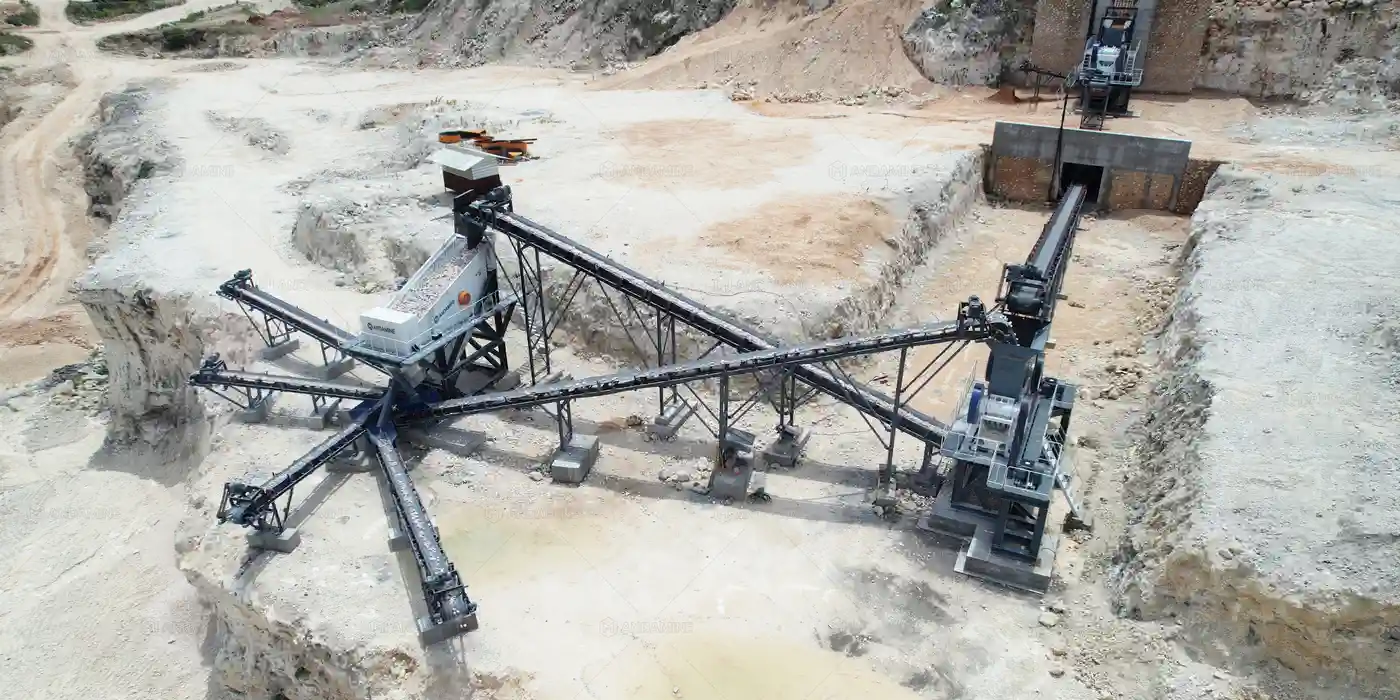
If you are comparing a complete crushing plant for sale, evaluate the complete production line rather than focusing only on the main crusher. The feeder, screening system, conveyors, electrical controls, and return circuit all influence the final output.
What Information Should You Prepare Before Requesting A Crushing Plant Quotation?
To receive a practical equipment proposal instead of a generic price list, prepare the following project information:
- Annual Demand: 100,000 tons or your expected annual sales volume.
- Daily Working Schedule: Planned working days and operating hours per day.
- Raw Material: Limestone, granite, basalt, andesite, river stone, or other materials.
- Maximum Feed Size: The largest stone entering the primary crusher.
- Required Output Capacity: Whether your target refers to raw material processing or finished aggregate production.
- Finished Aggregate Sizes: The required product fractions and their expected production proportions.
- Project Location: Quarry location, site access, and transportation conditions.
- Power Conditions: Available electricity supply or preference for a diesel-powered solution.
- Plant Type: Stationary, mobile, or modular crushing plant.
With these details, equipment suppliers can evaluate the appropriate crusher models, screening area, conveyor capacity, and overall plant layout. This also makes it easier to compare quotations based on actual production requirements rather than equipment prices alone.
Get The Right Crushing Plant For Your 100,000-Ton Annual Demand
Calculating the required stone crushing plant capacity starts with annual aggregate demand, but a reliable investment decision requires several additional steps. You need to calculate daily production, determine effective operating hours, account for production efficiency, and distinguish raw-feed capacity from finished aggregate output.
For a quarry targeting 100,000 tons of annual aggregate demand, a 60–80 TPH crushing plant can be a reasonable starting point for equipment evaluation. Nevertheless, your actual requirement may change with the operating schedule, rock characteristics, product mix, and future market demand.
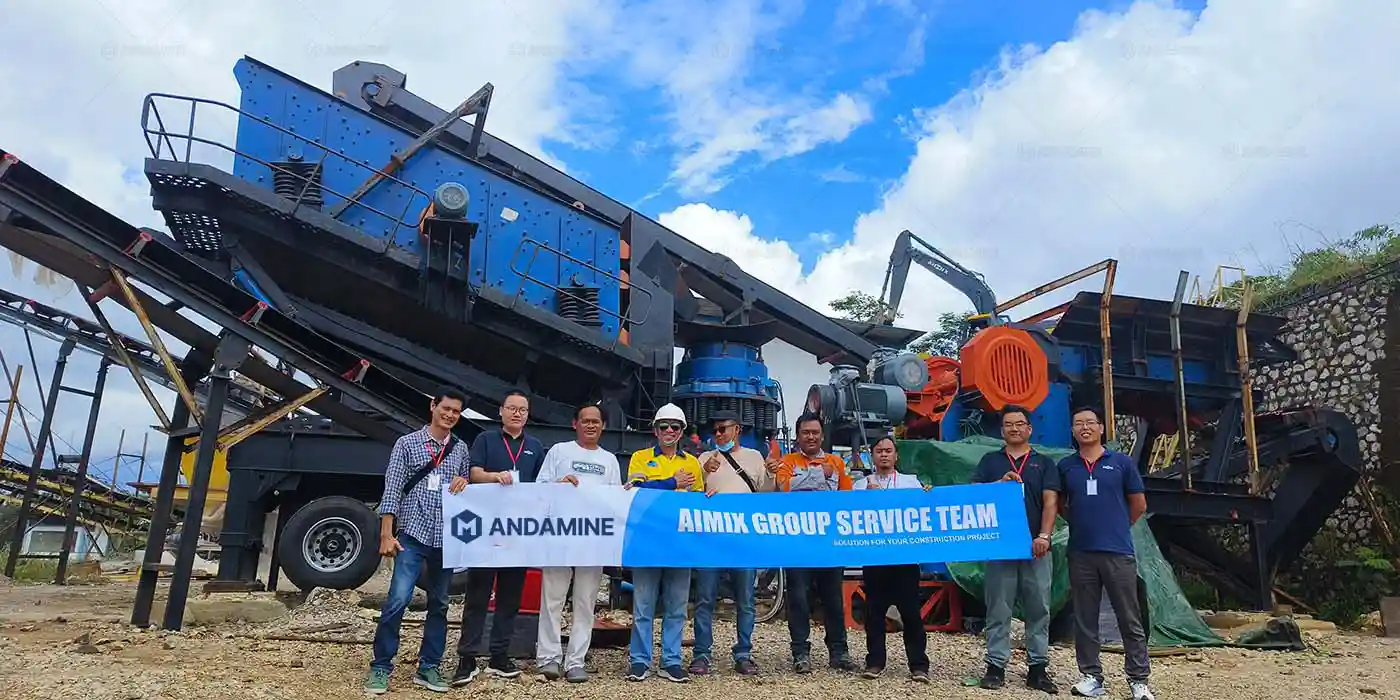
At ANDAMINE, we help quarry owners, aggregate suppliers, and construction contractors evaluate crushing plant configurations for different materials and production targets. Whether you need a jaw crusher, cone crusher, impact crusher, vibrating screen, or a complete stone crusher plant for sale, our team can help assess your project requirements.
Planning a new aggregate production business or upgrading your existing quarry? Contact ANDAMINE with your annual demand, raw material, feed size, required aggregate sizes, and project location. We can help you evaluate a suitable crushing plant capacity and a practical equipment configuration for your investment.