RTG crane maintenance costs are mainly affected by the condition, design, operating frequency, and accessibility of several critical components. The most influential RTG crane components include the hoisting system, trolley travel mechanism, gantry travel system, rubber tires, electrical and control systems, power supply equipment, braking devices, and structural components.
These components have different maintenance requirements. Hoist motors and wire ropes experience repeated mechanical loading, tires are affected by ground conditions and steering movements, while electrical components may require specialized troubleshooting. Understanding how each component affects maintenance cost helps industrial buyers estimate long-term operating expenses, plan spare parts inventory, and select an RTG crane that matches actual container-handling requirements.
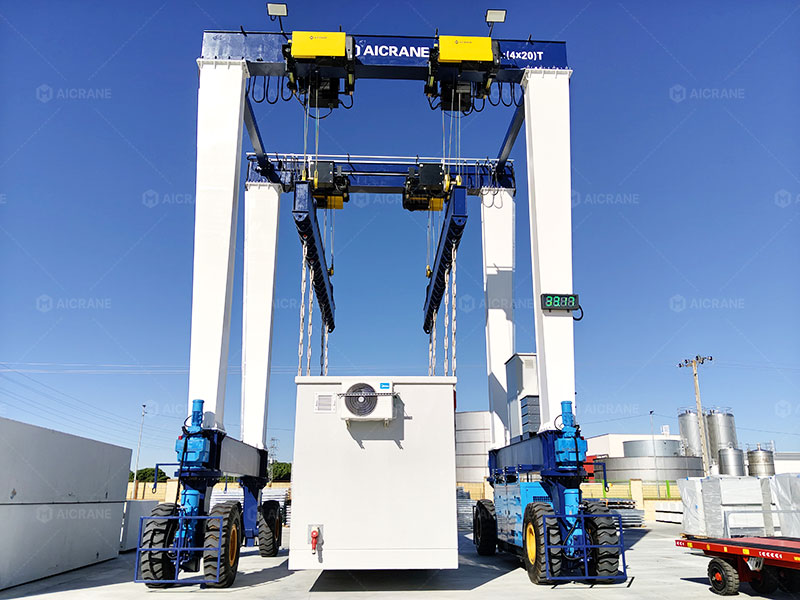
1. Hoisting System: A Major Source of Mechanical Maintenance Costs
The hoisting system is one of the most important rubber tyred gantry crane components because it handles the vertical lifting and lowering of containers. Its maintenance condition directly affects lifting reliability, operational safety, and equipment availability.
A typical RTG crane hoisting system consists of:
- Hoist motor
- Gearbox and transmission components
- Wire ropes
- Drums and rope guides
- Sheaves and bearings
- Braking devices
Which hoisting components require the most attention?
Wire ropes
Wire ropes are subject to repeated bending, tension, friction, and environmental exposure. Over time, they may develop broken wires, corrosion, deformation, or diameter reduction.
The service life of wire ropes depends on factors such as lifting frequency, load distribution, sheave diameter, rope construction, lubrication, and operating conditions.
Regular inspection should focus on visible wire breaks, corrosion, kinking, crushing, and uneven wear. Replacement should follow the applicable inspection standards and manufacturer recommendations rather than an arbitrary service interval.
Hoist motor and gearbox
The hoist motor provides lifting power, while the gearbox transmits torque and controls lifting speed.
High operating frequency, excessive loading, poor lubrication, and insufficient cooling can increase wear and maintenance requirements.
For industrial buyers, it is important to evaluate motor protection, gearbox design, lubrication accessibility, and the availability of replacement parts.
Sheaves and bearings
Sheaves guide the wire ropes through the lifting mechanism. Worn grooves, damaged bearings, and insufficient lubrication can increase rope wear and cause irregular movement.
Replacing a damaged bearing is generally more manageable than dealing with secondary damage to the rope, sheave, or transmission system.
Maintenance cost implication: The hoisting system can generate both routine maintenance expenses and significant unplanned repair costs. Its inspection accessibility, component quality, and spare parts availability should be evaluated before purchasing an RTG crane.
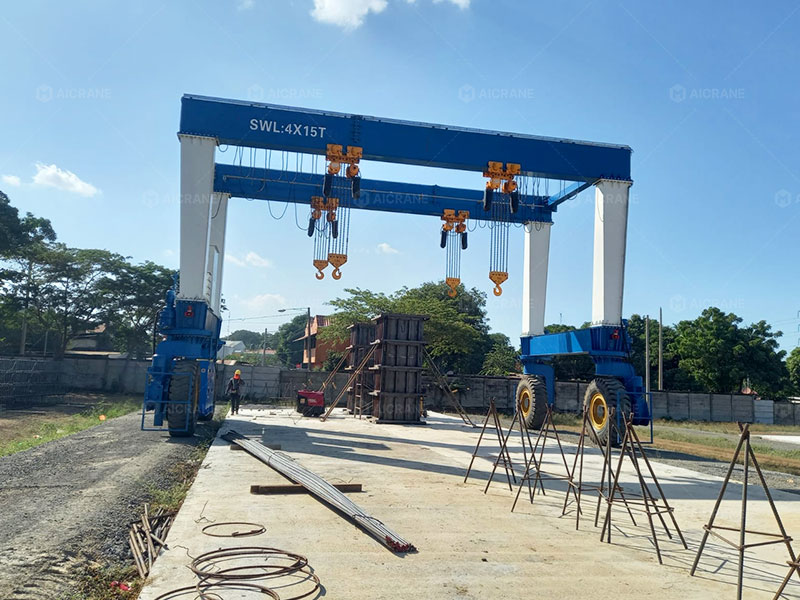
2. Trolley Travel System: Components Affecting Movement Reliability
The trolley travel system moves the lifting mechanism horizontally across the crane span, allowing containers to be positioned accurately.
Common components include:
- Trolley drive motors
- Gearboxes
- Drive wheels
- Rail or track interfaces
- Bearings
- Couplings and transmission components
The maintenance cost of this system depends on operating cycles, travel distance, load distribution, alignment, and the working environment.
What causes trolley system maintenance costs to increase?
Drive motors and gearboxes
Frequent acceleration, deceleration, and changes in operating direction place repeated demands on the drive system.
Overheating, abnormal vibration, lubrication problems, and excessive mechanical loading can shorten component service life.
Wheels and bearings
Wheel wear may result from misalignment, uneven loading, poor track conditions, or prolonged operation.
Worn wheels and bearings can cause increased vibration, noise, and uneven trolley movement. If left uncorrected, these problems may affect other transmission components.
Alignment and lubrication
Incorrect alignment increases friction and uneven loading. Inadequate lubrication accelerates wear in bearings and other moving interfaces.
Routine inspection should therefore include wheel condition, bearing temperature, gearbox lubrication, motor operation, and travel smoothness.
Maintenance cost implication: The trolley travel system is particularly sensitive to mechanical alignment and operating conditions. Proper installation and regular inspection help prevent minor mechanical problems from developing into more expensive repairs.
3. Gantry Travel System: Drive Motors, Wheels, and Steering Mechanisms
The gantry travel system allows the entire RTG crane to move along the container yard. Unlike the trolley system, which moves across the crane span, the gantry system controls the longitudinal movement of the complete crane.
This system typically includes:
- Gantry drive motors
- Gearboxes
- Drive wheels and wheel assemblies
- Steering mechanisms
- Bearings
- Travel limit and safety devices
The design of the gantry travel system varies depending on the RTG crane configuration.
Why does gantry travel affect maintenance costs?
RTG cranes operate in outdoor yards where ground conditions, surface flatness, drainage, and environmental exposure can influence mechanical performance.
Uneven ground or poor travel conditions may increase loads on wheels, bearings, and structural connections.
Drive motors and gearboxes also experience repeated starting, stopping, and directional changes. Frequent operation under heavy loads can increase thermal and mechanical stress.
For RTG mobile gantry cranes equipped with multiple steering modes, the steering mechanism introduces additional components that require inspection and maintenance.
Depending on the design, steering configurations may include straight travel, diagonal travel, 90-degree turning, or other yard-mobility functions.
Maintenance cost implication: Buyers should evaluate the gantry drive configuration, steering complexity, ground requirements, and accessibility of drive components. A crane designed for frequent cross-yard movement may have different maintenance demands from one operating mainly along fixed travel routes.
4. Rubber Tires: A Significant Operating and Replacement Expense
Rubber tires are a defining feature of rubber-tyred gantry cranes. They allow RTG cranes to move without fixed runway rails, providing flexibility in container yard operations.
However, tire condition has a direct impact on maintenance costs and crane availability.
What factors affect RTG crane tire maintenance costs?
Load distribution
Uneven load distribution can cause differences in tire pressure, contact stress, and wear rates.
The crane’s wheel configuration, load distribution, and operating conditions should be considered when evaluating tire requirements.
Ground conditions
Poor pavement quality, sharp debris, surface irregularities, and inadequate drainage can accelerate tire deterioration.
Steering frequency
Frequent turning, diagonal travel, and cross-yard movements can create additional lateral forces and uneven tire wear.
Tire pressure and inspection
Incorrect tire pressure can affect load distribution, handling stability, and tire service life.
Routine inspections should check:
- Tire pressure against manufacturer specifications
- Tread wear and uneven wear patterns
- Cuts, cracks, and other visible damage
- Foreign objects embedded in the tire
- Wheel assembly and mounting conditions
RTG crane tires may use different sizes, constructions, and load ratings depending on the crane model and design.
Maintenance cost implication: Tire replacement can represent a substantial recurring expense for RTG crane operators. When comparing equipment, buyers should consider tire specifications, expected operating conditions, replacement availability, and the accessibility of tire-changing operations.
5. Electrical and Control Systems: Troubleshooting and Component Replacement
Electrical and control systems coordinate lifting, trolley movement, gantry travel, steering, braking, and safety functions.
Common components include:
- PLC control systems
- Variable frequency drives (VFDs)
- Motors and electrical protection devices
- Sensors and encoders
- Contactors and relays
- Electrical cabinets
- Wiring and cable connections
Why can electrical maintenance become expensive?
Electrical problems are not always caused by a single failed component. A malfunctioning sensor, damaged cable, unstable power supply, or incorrect control signal may affect several crane functions.
For example, a faulty travel sensor may prevent the gantry crane from operating normally even when the drive motor and gearbox remain mechanically sound.
VFD failures can also interrupt motor operation and require qualified technicians to diagnose and repair.
Outdoor RTG cranes face additional challenges from moisture, dust, temperature fluctuations, and electrical cabinet contamination.
What should buyers evaluate?
Industrial buyers should examine:
- Electrical component protection ratings and suitability for the operating environment.
- Availability of circuit diagrams and control documentation.
- Accessibility of electrical cabinets and diagnostic interfaces.
- Availability of replacement sensors, drives, relays, and other electrical components.
- Technical support for PLC and VFD troubleshooting.
Maintenance cost implication: Electrical systems may have lower routine mechanical maintenance requirements than some moving components, but specialized troubleshooting and replacement parts can increase repair costs and downtime.
6. Power Supply System: Diesel Generators, Cable Reels, and Battery Configurations
The power supply system determines how a rubber wheeled gantry crane receives energy for lifting, trolley travel, gantry movement, and auxiliary functions.
Common power supply configurations include diesel generator sets, cable reel systems, and battery-powered configurations. The actual arrangement depends on the crane design and project requirements.
Each configuration has different maintenance characteristics.
Diesel generator set
A diesel generator set requires regular engine maintenance, including:
- Engine oil and filter replacement
- Fuel filter inspection
- Cooling system maintenance
- Air filter replacement
- Battery and starting system inspection
- Fuel system maintenance
Its maintenance requirements are influenced by operating hours, engine loading, fuel quality, and environmental conditions.
Cable reel system
A cable reel system requires inspection of the cable, reel mechanism, winding and unwinding operation, electrical connections, and protective devices.
Cable damage, improper winding, and mechanical problems in the reel mechanism can interrupt power transmission.
Battery-powered system
Battery-powered RTG configurations require attention to battery condition, charging equipment, battery management systems, electrical connections, and thermal management.
Battery maintenance and eventual replacement depend on battery chemistry, charging patterns, operating cycles, temperature, and energy demand.
Maintenance cost implication: Power supply configuration affects both maintenance expenses and energy-related operating costs. Buyers should compare the complete lifecycle requirements rather than considering the initial equipment price alone.
7. Braking System: Safety-Critical Components Requiring Regular Inspection
RTG cranes use braking devices to control and stop lifting, trolley travel, and gantry movement.
Depending on the crane design, braking systems may include electromagnetic brakes, hydraulic components, mechanical brake assemblies, and associated control devices.
Common maintenance items include:
- Brake pads or friction linings
- Brake discs or drums
- Springs and actuators
- Hydraulic components, where applicable
- Electrical connections and control circuits
Repeated braking generates friction and heat. Over time, friction materials may wear, and mechanical or electrical components may require adjustment or replacement.
Incorrect brake clearance, contaminated friction surfaces, overheating, and actuator problems can affect braking performance.
Brake inspection should follow the gantry crane manufacturer‘s maintenance procedures and applicable safety requirements.
Maintenance cost implication: Braking components should never be evaluated solely on replacement cost. Their reliability directly affects operational safety and the condition of other crane systems.
8. Structural Components: Long-Term Inspection and Repair Costs
The steel structure supports the lifting mechanism and transfers operational loads throughout the RTG crane.
Important structural components include:
- Main beams
- Legs
- Cross beams
- Connections and welds
- Trolley supporting structures
- Access platforms and maintenance walkways
Structural maintenance differs from routine motor or bearing maintenance because it focuses on fatigue, deformation, corrosion, and connection integrity.
What structural problems should operators monitor?
Fatigue cracking
Repeated lifting and travel cycles generate cyclic stresses. Areas around welded connections, load transfer points, and structural discontinuities may require particular attention.
Corrosion
Outdoor exposure to rain, humidity, salt, and industrial pollutants can damage protective coatings and gradually expose the steel surface.
Deformation and connection problems
Unexpected deformation, loose fasteners, and damaged connections may indicate abnormal loading or structural deterioration.
Regular visual inspections, appropriate nondestructive testing when required, and timely coating repairs help identify problems before extensive structural work becomes necessary.
Maintenance cost implication: Structural repairs can be disruptive and expensive because they may require specialized inspection, engineering assessment, welding, surface preparation, and repainting. Structural design, fabrication quality, and corrosion protection therefore influence long-term maintenance expenditure.
9. Spreader and Container Handling Attachments
The spreader is the load-handling attachment used to connect the RTG crane to shipping containers.
Its configuration varies according to the crane’s intended container-handling requirements. Typical components may include:
- Telescopic mechanisms
- Twistlocks
- Twistlock actuators
- Locking sensors
- Electrical connections
- Hydraulic components, where applicable
Twistlocks and locking mechanisms experience repeated engagement and disengagement during container handling.
Wear, contamination, mechanical damage, or sensor failures can prevent reliable container connection and release.
Regular inspection should cover twistlock condition, locking indication, telescopic movement, lubrication points, and electrical or hydraulic connections.
Maintenance cost implication: Spreader problems can directly interrupt container-handling operations. Buyers should confirm spreader compatibility, replacement component availability, maintenance access, and the availability of technical support.
10. Which RTG Crane Components Have the Greatest Impact on Maintenance Cost?
Not every component contributes equally to maintenance expenditure. The actual cost distribution depends on operating intensity, crane configuration, equipment quality, environmental conditions, and maintenance practices.
The following table summarizes the major cost drivers.
| RTG Crane Component | Common Maintenance Items | Main Cost Factors |
|---|---|---|
| Hoisting system | Wire ropes, motors, gearboxes, sheaves, bearings | Lifting frequency, load cycles, lubrication, component wear |
| Trolley travel system | Motors, gearboxes, wheels, bearings | Travel distance, alignment, operating frequency |
| Gantry travel system | Drive motors, wheels, steering mechanisms | Ground conditions, steering frequency, load distribution |
| Rubber tires | Tires, wheel assemblies, pressure checks | Tire specifications, pavement, turning frequency |
| Electrical and control system | PLCs, VFDs, sensors, wiring | Environmental exposure, troubleshooting, replacement availability |
| Power supply system | Generator, cable reel, batteries | Operating hours, charging cycles, fuel system maintenance |
| Braking system | Brake linings, actuators, control devices | Braking frequency, adjustment, component wear |
| Structural system | Steel members, welds, coatings | Fatigue, corrosion, inspection and repair requirements |
| Spreader | Twistlocks, actuators, sensors | Handling cycles, wear, contamination, configuration |
For practical maintenance planning, buyers should distinguish between three types of expenses:
- Routine maintenance: Lubrication, inspection, adjustment, cleaning, and scheduled servicing.
- Periodic replacement: Wire ropes, tires, brake linings, filters, and other consumable or wear components.
- Unplanned repairs: Motor failures, gearbox damage, electrical faults, structural repairs, and unexpected component breakdowns.
This distinction provides a more useful basis for estimating annual maintenance budgets than simply comparing the purchase prices of individual components.
11. How Can Industrial Buyers Reduce RTG Crane Maintenance Costs?
Reducing RTG crane maintenance costs starts during equipment selection, not after the crane enters service.
The following considerations can help buyers evaluate long-term maintenance requirements.
11.1 Evaluate component quality and configuration
Review the technical specifications of motors, gearboxes, brakes, electrical components, tires, and spreaders.
Ask manufacturers to clarify the component configuration and explain why it matches the intended operating conditions.
Avoid evaluating equipment solely by lifting capacity or initial purchase price.
11.2 Check spare parts availability
Before purchasing, confirm which components are standard, which are customized, and which require longer procurement lead times.
Important spare parts may include wire ropes, bearings, brake components, sensors, contactors, filters, and other frequently serviced items.
A practical spare parts plan should consider equipment configuration, expected operating hours, supplier lead times, and the consequences of equipment downtime.
11.3 Consider maintenance accessibility
Components that are difficult to inspect or replace can increase labor requirements and maintenance downtime.
Evaluate access to motors, gearboxes, electrical cabinets, lubrication points, and inspection platforms.
Clear maintenance documentation and accessible component layouts can also improve servicing efficiency.
11.4 Match the crane to actual operating conditions
An RTG crane used in a high-throughput container terminal may experience significantly different operating demands from one used in a smaller logistics yard.
Consider:
- Expected container handling cycles
- Average and maximum lifting loads
- Daily operating hours
- Yard pavement and ground conditions
- Ambient temperature and humidity
- Required travel and steering modes
- Available maintenance personnel
The equipment configuration should reflect these requirements rather than relying on a general-purpose specification.
11.5 Establish a preventive maintenance schedule
A preventive maintenance program should combine daily inspections, periodic servicing, and condition-based monitoring where appropriate.
For example, operators can inspect tires, visible wire ropes, abnormal noise, leakage, and warning indicators during routine checks. Maintenance technicians can conduct more detailed inspections of gearboxes, brakes, bearings, electrical systems, and structural connections according to the manufacturer’s schedule.
Maintenance intervals should be determined by equipment documentation, operating hours, duty classification, and actual working conditions.
12. Frequently Asked Questions About RTG Crane Maintenance Costs
Which RTG crane components need the most frequent maintenance?
Maintenance frequency depends on the crane configuration and operating environment. Common inspection and servicing priorities include wire ropes, bearings, tires, brakes, drive systems, and power supply components.
These parts experience repeated mechanical loading, friction, environmental exposure, or scheduled servicing requirements.
Do diesel-powered RTG cranes cost more to maintain?
Diesel-powered RTG cranes require additional engine-related maintenance, including oil changes, filter replacement, fuel system servicing, and cooling system inspections.
However, total maintenance costs also depend on the crane’s mechanical and electrical configuration, operating hours, fuel system design, and local maintenance capabilities. A comparison should consider the entire power supply system rather than the generator alone.
How can RTG crane maintenance costs be estimated?
A practical estimate should include routine labor, consumable parts, scheduled component replacements, major inspections, corrective repairs, and potential downtime.
Buyers should request a recommended maintenance schedule and spare parts list from the manufacturer. Actual annual costs should then be adjusted according to operating hours, handling cycles, local labor rates, and component availability.
How does operating intensity affect RTG crane maintenance?
Higher operating intensity generally increases the number of mechanical and electrical operating cycles. This can accelerate wear in wire ropes, brakes, bearings, tires, and drive components.
However, operating intensity alone does not determine maintenance cost. Load distribution, maintenance quality, equipment design, and environmental conditions also play important roles.
What should buyers ask an RTG crane manufacturer before purchasing?
Industrial buyers should request information about:
- Main component specifications and configurations
- Hoisting and travel drive arrangements
- Power supply options
- Tire specifications and replacement requirements
- Electrical and control system documentation
- Recommended maintenance intervals
- Standard spare parts lists
- Warranty coverage and technical support
- Expected delivery lead times for replacement components
These details help buyers assess long-term equipment ownership costs and maintenance requirements before making a purchasing decision.
Conclusion
RTG crane maintenance costs are influenced by more than the quality of individual components. The hoisting system, trolley and gantry travel mechanisms, rubber tires, electrical controls, power supply, braking system, structural components, and spreader all contribute to the equipment’s long-term maintenance requirements.
For industrial buyers, the most effective approach is to evaluate component reliability, operating conditions, maintenance accessibility, spare parts availability, and preventive maintenance requirements together.
Selecting an RTG crane based on its complete operating and maintenance requirements, rather than its initial purchase price alone, provides a more practical foundation for long-term equipment investment and container yard operation.