For Indonesian contractors, a concrete batching plant is not always needed at one permanent location for many years. Road works, bridges, housing developments, industrial projects, and remote infrastructure projects can move from one area to another. At the same time, contractors may win several projects with different schedules. This raises a practical question: Can one fast installation batching plant be reused across multiple Indonesian projects?
In many cases, yes. A fast installation batching plant can be planned as a reusable concrete production asset rather than equipment for only one project. The key is to match the plant capacity with the contractor’s project pipeline and consider relocation time, transportation, site conditions, and concrete demand together.
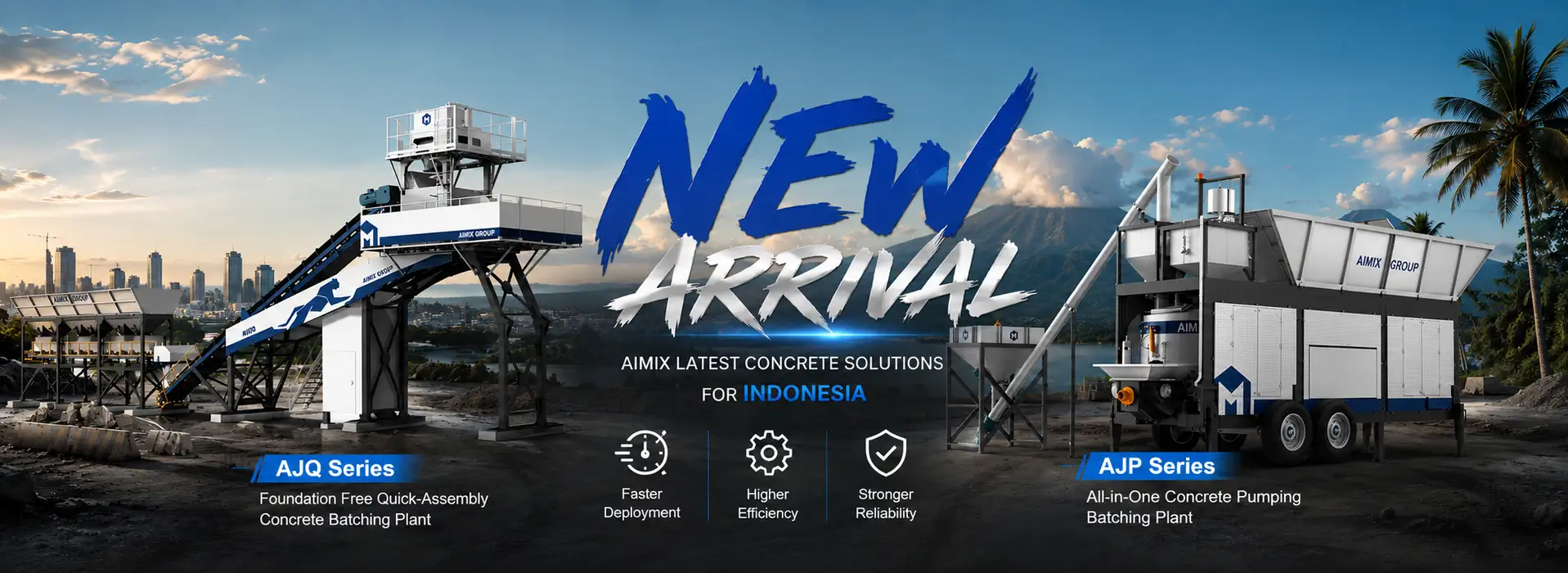
Why Reusable Batching Plants Matter in Indonesia
Indonesian construction projects often have different locations, durations, and concrete requirements. A contractor may complete a road project in one district and then start a bridge or building project somewhere else. Keeping a large permanent batching plant at the first site may not make sense after concrete demand drops.
For contractors comparing a permanent setup with a concrete batching plant indonesia solution, project mobility is an important factor. The right configuration can allow concrete production to stay closer to the active construction site instead of depending entirely on a distant commercial supplier.
Therefore, a relocatable batching plant can provide another operating model. The contractor can use the plant for one project, relocate it after the major concrete work finishes, and continue production at the next project.
One Plant Can Follow the Project Pipeline
Imagine a contractor has three projects:
- Project A: Road construction requiring continuous concrete supply for 8 months.
- Project B: Bridge construction starting 1–2 months before Project A finishes.
- Project C: Industrial or commercial construction planned for the following year.
Instead of purchasing a separate batching plant for every project, the contractor can evaluate whether one fast installation plant can rotate between these sites.
This approach becomes more interesting when the projects have similar concrete requirements. However, the contractor still needs to calculate the complete relocation cycle before making the decision.
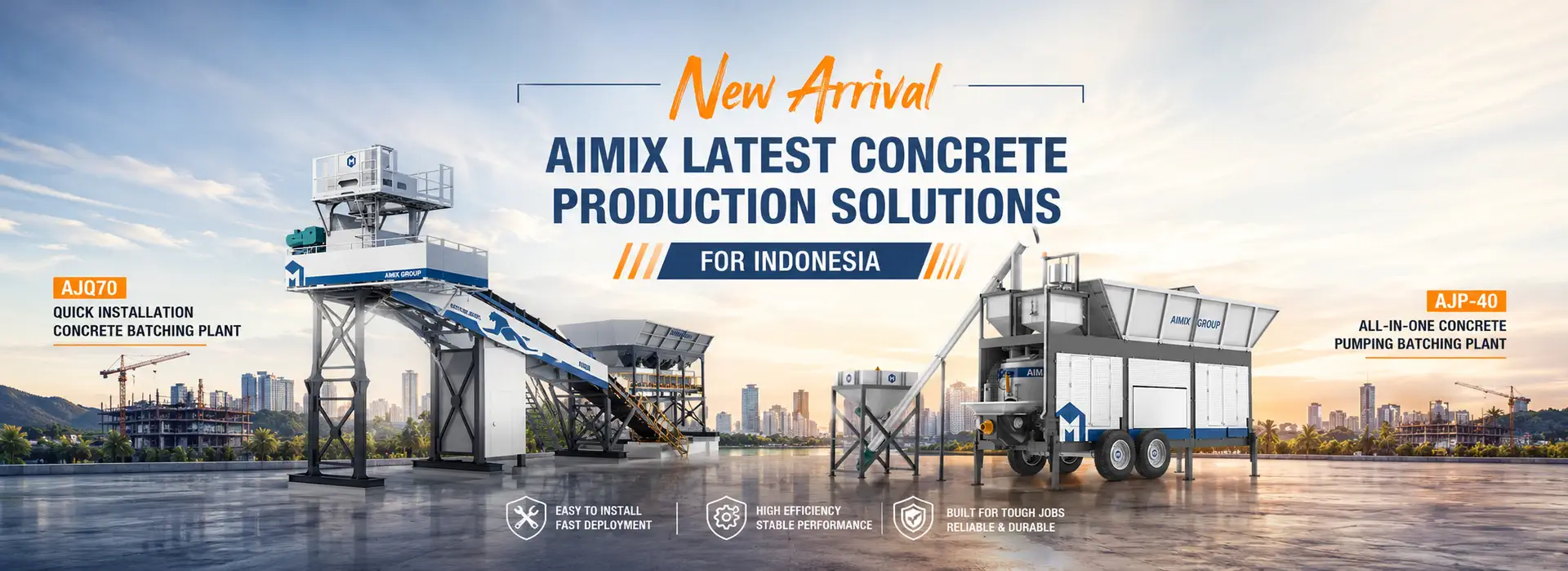
How Fast Installation Makes Reuse More Practical
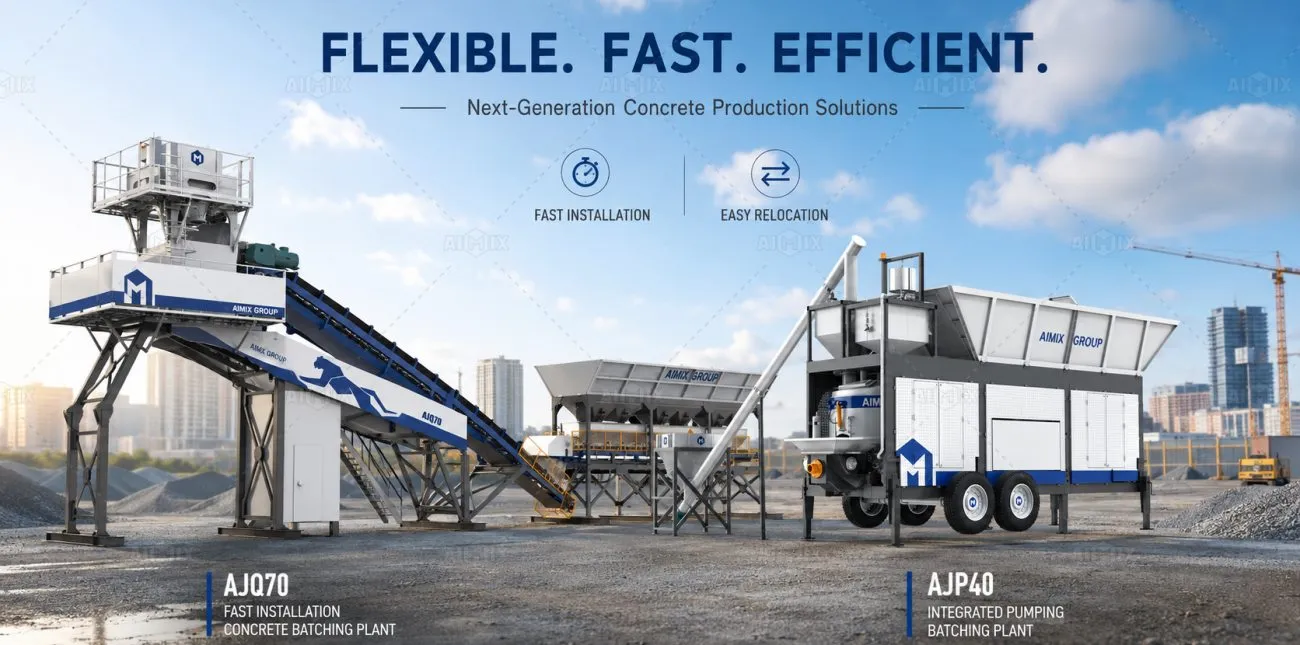
The biggest difference between a conventional permanent setup and a fast installation batching plant is not simply installation speed. It is the effect that installation speed can have on project-to-project flexibility.
For example, a fast installation system can reduce the time between arriving at a new project and starting concrete production. This matters when the contractor has several projects with overlapping schedules.
For contractors comparing different fast installation mobile concrete batching plant options, the relocation process should be evaluated together with production capacity, transport requirements, site preparation, and commissioning time.
Less Time Waiting at the New Site
Consider the actual workflow:
- Finish the main concrete works at Project A.
- Complete plant inspection and preparation.
- Dismantle and load the equipment.
- Transport the plant to Project B.
- Prepare the new site.
- Install and connect the plant.
- Test the system and begin concrete production.
Fast installation mainly helps with the final stages. It does not eliminate transportation or site preparation. Therefore, contractors should evaluate the whole process instead of looking only at the advertised installation time.
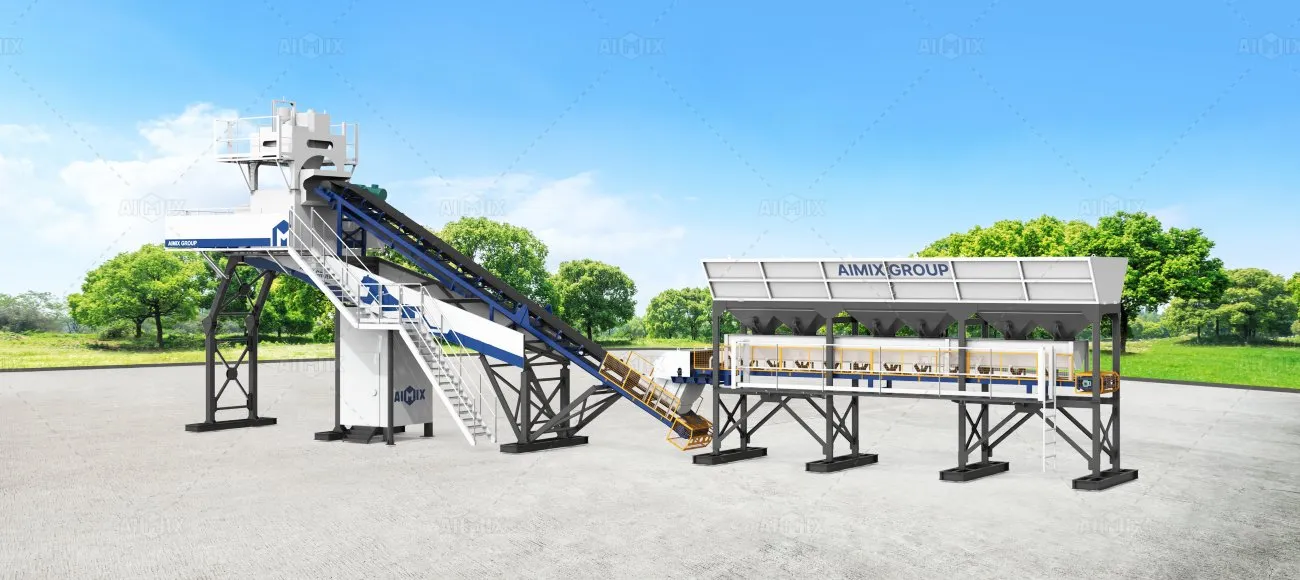
What Determines Whether One Plant Can Serve Several Projects?
Fast installation is only one part of the equation. The plant must also match the concrete requirements of the projects that the contractor plans to serve.
1. Concrete Production Capacity
Start with the concrete volume rather than the plant model. Calculate the expected total volume and, more importantly, the peak hourly or daily demand.
| Project Type | Typical Production Consideration | Potential Capacity Range |
|---|---|---|
| Small building or local works | Moderate concrete demand | 50 m³/h class |
| Road and drainage projects | Regular concrete supply across multiple work sections | 50–70 m³/h class |
| Bridge and infrastructure projects | Higher demand during major pours | 70–100 m³/h class |
| Large infrastructure projects | High continuous production demand | 100–150 m³/h class |
These ranges are only for initial planning. Actual requirements depend on concrete volume, working hours, truck cycles, pumping distance, aggregate supply, mix design, and the project’s pouring schedule.
2. Project Duration
Project duration directly affects plant utilization. A plant used for only a few months and then stored for a long period may have a very different investment profile from a plant that moves directly into another project.
For this reason, contractors should look beyond the current project. Ask what concrete project will follow it. If another project starts soon, the same plant may continue generating value instead of sitting idle.
3. Distance Between Projects
Indonesia’s geography makes transportation an important consideration. Moving a plant between nearby sites in Java is different from moving equipment between Java, Sumatra, Kalimantan, Sulawesi, or other islands.
Before relocation, check:
- Road conditions and access restrictions.
- Transport vehicle requirements.
- Loading and unloading arrangements.
- Port availability for inter-island transportation.
- Local transportation permits.
- Available space at the new site.
- Power and water availability.
As a result, geographical distance alone does not determine whether relocation is economical. The contractor should calculate transportation, dismantling, installation, commissioning, and downtime together.
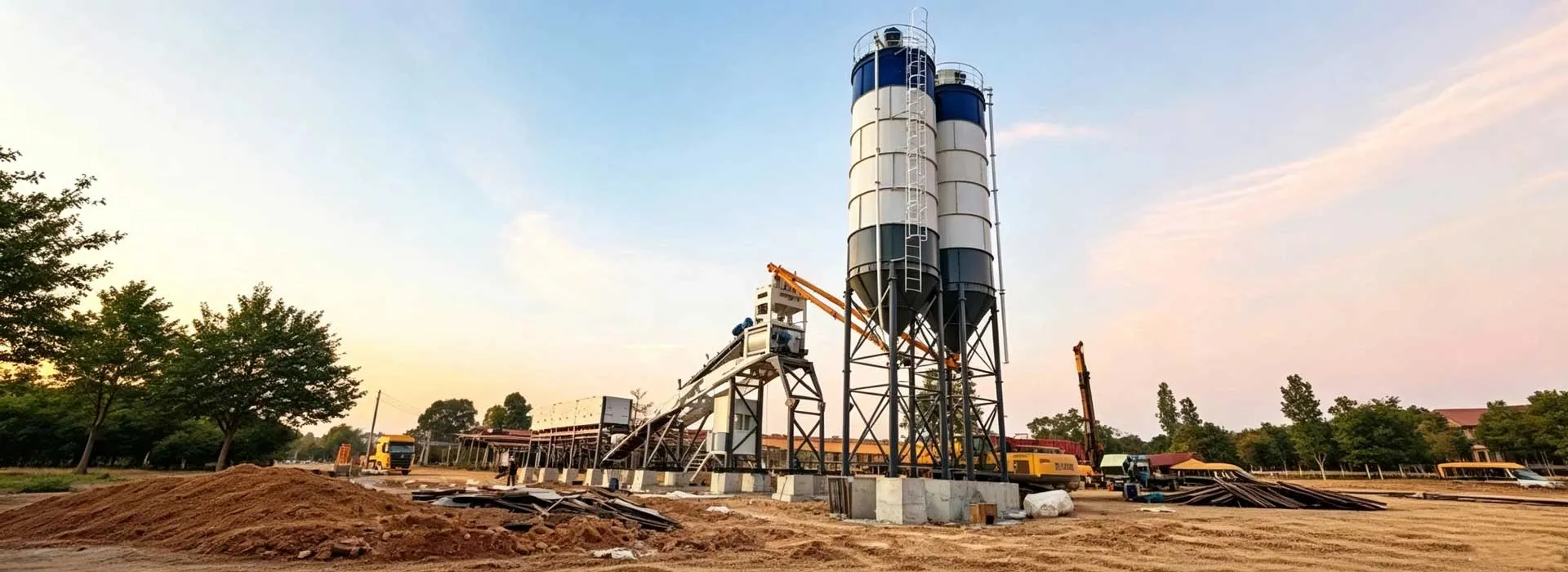
Can the Same Batching Plant Handle Different Project Types?
Potentially, yes. A contractor can use the same batching plant for different types of projects when the plant’s capacity and configuration satisfy the requirements of each project.
For example, one contractor may work on roads, bridges, drainage systems, foundations, and commercial buildings. These projects do not necessarily require completely different concrete production systems.
However, the contractor should identify the common requirements before purchasing the plant. This is important because choosing equipment around only one project may create limitations when the plant moves to another site.
Think Beyond the Batching Plant
A batching plant is only one part of the concrete supply chain. The contractor also needs aggregate storage, cement supply, water, admixtures, concrete trucks, electrical power, and a suitable delivery route.
If the project requires concrete pumping, the batching plant can also work with a concrete pump. The plant produces the required concrete, while the pump sends it to the placement point.
For contractors that also supply ready-mixed concrete to nearby projects, a plant ready mix configuration may provide another option. The important point is to select the equipment around actual production and delivery requirements rather than simply choosing the largest available plant.
Therefore, when planning reuse, consider the complete equipment combination. A 70 m³/h plant may have sufficient theoretical production capacity, but insufficient trucks or poor site access can still limit actual output.
How to Plan One Batching Plant for Multiple Indonesian Projects
The most practical approach is to create a project rotation plan before buying the equipment. This helps contractors identify whether the same plant can realistically support several projects.
Step 1: Map Your Next Projects
List the next two or three projects. Record their locations, estimated concrete volumes, construction periods, and expected peak production requirements.
Step 2: Find the Common Capacity
Do not automatically select the capacity required by the largest project. Compare all projects first. The objective is to find a configuration that can handle the important production requirements without creating excessive unused capacity on smaller projects.
Step 3: Calculate Relocation Time
Include dismantling, transportation, unloading, installation, electrical connection, testing, and commissioning. This provides a more realistic estimate of project-to-project downtime.
Step 4: Check Each New Site
Before moving the plant, check the available area, ground conditions, aggregate storage space, truck access, power supply, water source, and concrete delivery route.
Step 5: Compare Ownership With Ready-Mix Purchasing
Finally, compare the total cost of owning and relocating the plant with the cost of buying ready-mix concrete from external suppliers.
Include equipment investment, transportation, operators, maintenance, energy, installation, relocation, and potential downtime. This gives the contractor a more complete project-level calculation.
When Reusing One Plant May Not Make Sense
A fast installation batching plant does not automatically suit every project portfolio. If two projects are extremely far apart, relocation costs may become significant. Likewise, if the second project requires much higher production capacity, the original plant may no longer be suitable.
For example, a contractor may use a 50 m³/h plant for several small projects. If the next project suddenly requires 120 m³/h during continuous large-volume pours, the contractor should reconsider the equipment configuration.
Similarly, a long-term project with stable demand may justify a more permanent batching solution. Therefore, reuse should come from actual project planning rather than from the plant’s mobility alone.
What Should Indonesian Contractors Ask Before Buying?
Before ordering a fast installation batching plant, ask the supplier questions based on your future projects, not just today’s project.
- What capacity is suitable for my peak concrete demand?
- How quickly can the plant be installed at a prepared site?
- What site preparation does the plant require?
- How can the plant be transported between Indonesian projects?
- Can the same configuration support different concrete applications?
- What concrete trucks and pumps should work with the plant?
- What spare parts should be kept available?
- What technical support is available during relocation?
These questions change the discussion from simply buying a machine to planning a reusable concrete production system.
Final Takeaway: Plan the Plant Around Your Project Pipeline
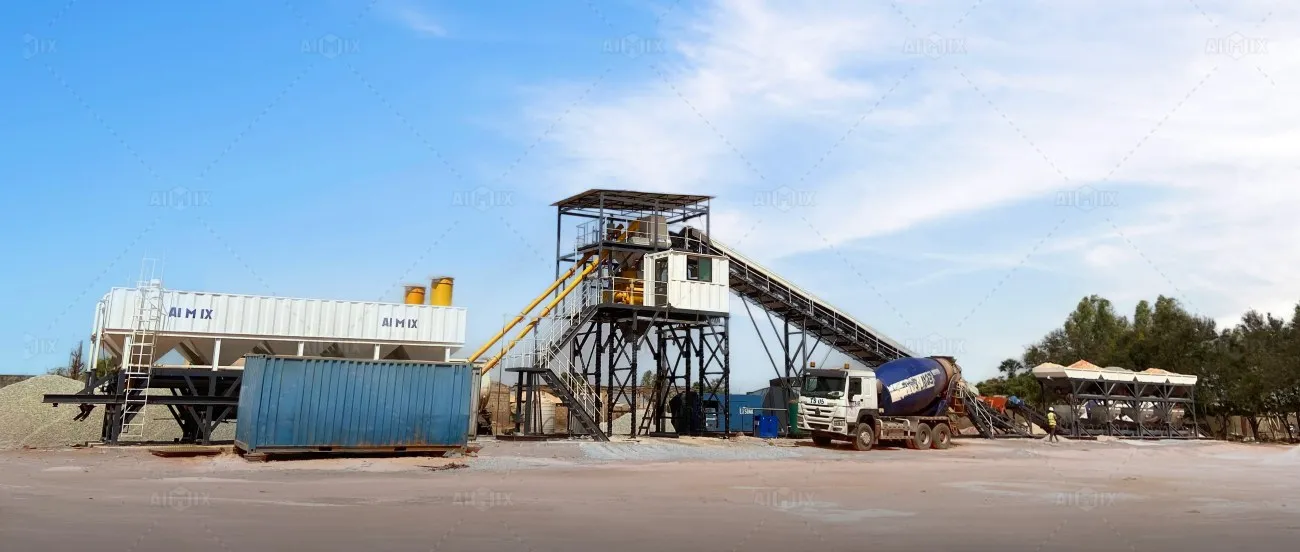
So, can one fast installation batching plant be reused across multiple Indonesian projects? It can, provided the plant capacity, configuration, transport plan, site conditions, and project schedule work together.
The real opportunity is not simply moving a batching plant from one site to another. It is keeping the equipment productive across several project cycles. For contractors with multiple projects in Indonesia, this can be an important factor when comparing different concrete supply strategies.
If you are planning several road, bridge, building, industrial, or infrastructure projects, share your project locations, concrete volume, required m³/h, project duration, and expected relocation schedule with us. The team can help you evaluate a suitable fast installation batching plant configuration and the supporting concrete equipment for your Indonesian projects.