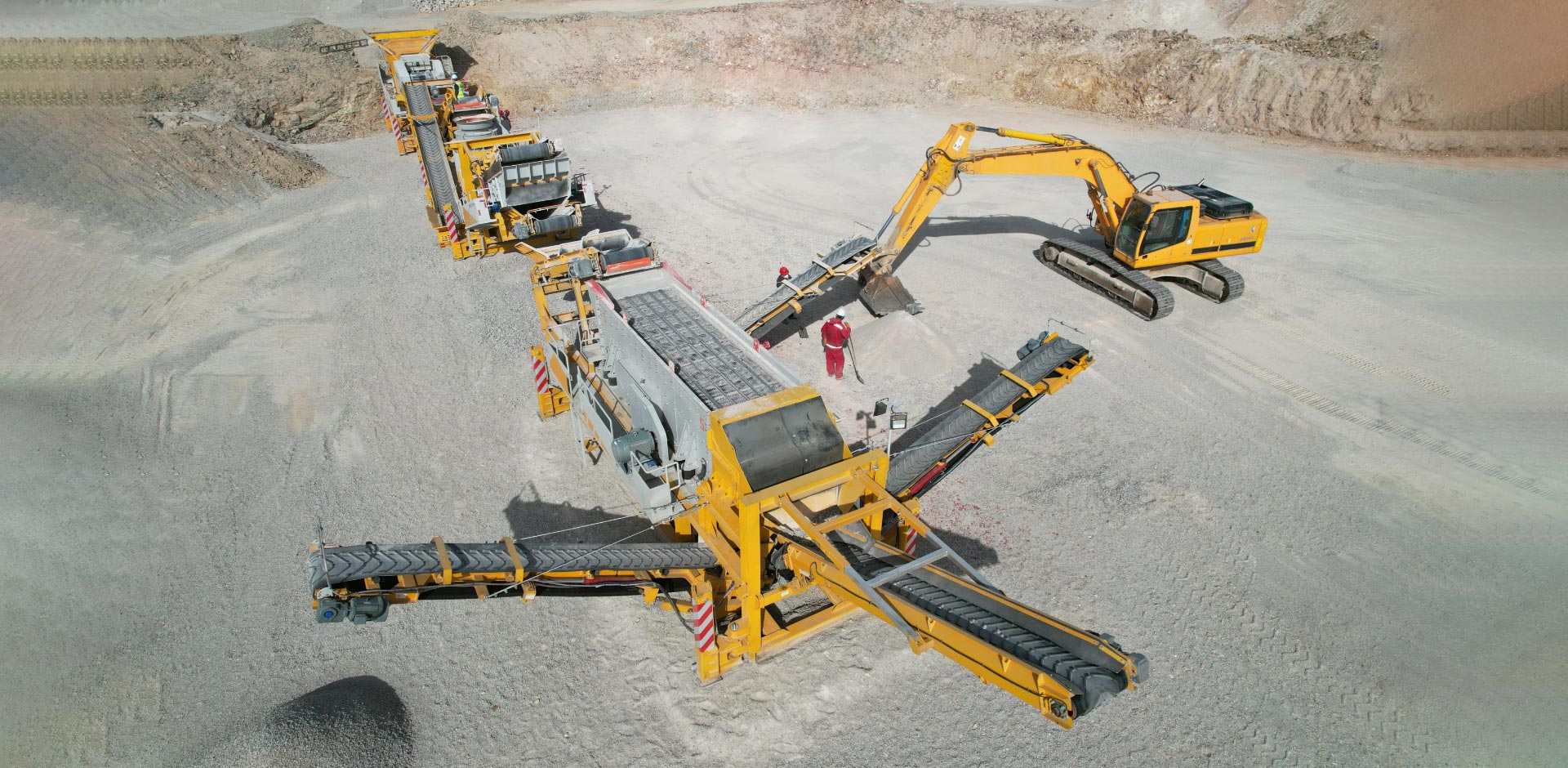
Demolition projects generate massive quantities of waste concrete across urban job sites every single day. Recycling this demolition waste directly on site lowers landfill disposal fees and reduces truck transport costs. Furthermore, contractors produce valuable recycled concrete aggregate for new construction and road foundation projects. Selecting suitable concrete crushing equipment ensures smooth material processing and consistent final aggregate quality. This guide explains key technical considerations when choosing machinery for concrete recycling operations.
Managing Steel Rebar and Demolition Feed Challenges
Concrete demolition waste presents unique operational obstacles that differ from natural quarry rock deposits. Steel rebar, wire mesh, and embedded metal fasteners create distinct hazards for heavy crushing machinery.
Protecting Machinery from Embedded Steel Mesh
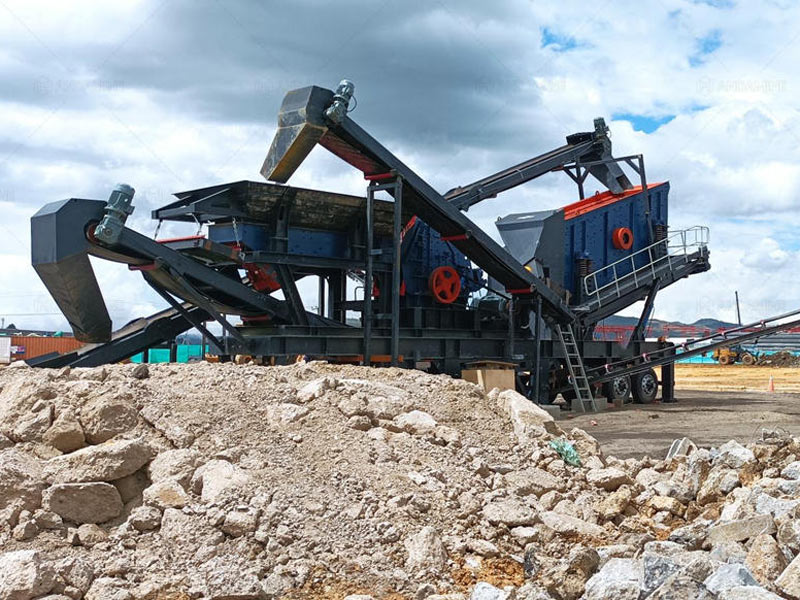
Steel rebar wraps around internal rotating shafts and slices rubber conveyor belts quickly. Consequently, operators must equip recycling plants with heavy-duty cross-belt magnetic separators. The powerful magnet lifts metallic pieces away from crushed concrete continuously. In addition, pre-screening feeders remove loose dirt, sand, and fine debris before crushing starts. Removing fine particles prevents chamber blockages and extends the service life of internal wear components.
Pre-Breaking Slabs and Hopper Feed Limitations
Oversized concrete slabs clog intake hoppers and disrupt daily recycling production schedules. Therefore, demolition crews use excavator-mounted hydraulic breakers to reduce massive foundation blocks first. Operators break large slabs down to manageable feed dimensions before loading the intake hopper. This essential pre-breaking step prevents expensive machine jams and maintains steady hourly material flow. Furthermore, controlled feed sizes reduce mechanical stress on main structural frames during heavy crushing operations.
Key Standards for Recycled Concrete Aggregate
Recycled concrete aggregate must meet strict local engineering specifications before use in structural applications. Understanding product requirements helps contractors configure their plant lines for maximum aggregate quality.
Controlling Gradation and Fine Content
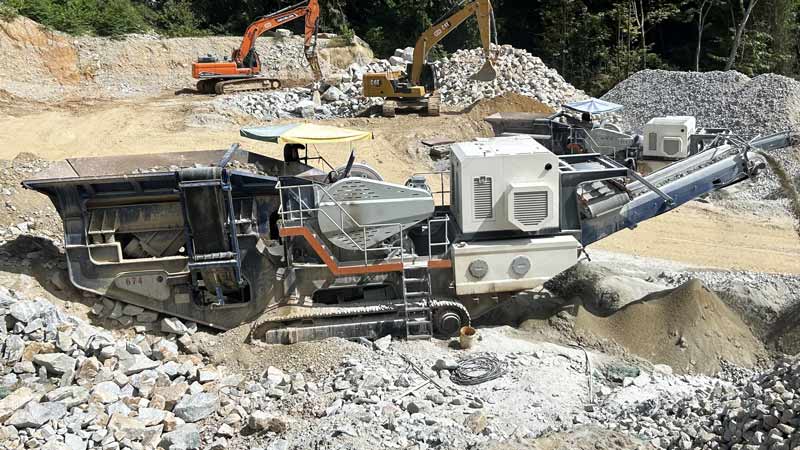
Civil engineering projects require precise particle size distributions for sub-base and backfill layers. High percentage of fine dust reduces drainage performance in road construction applications. Consequently, operators install multi-deck vibrating screens to separate finished aggregate into distinct commercial sizes. Vibrating screens remove excess fine dust and deliver clean aggregate fractions for commercial sales. As a result, contractors produce high-grade recycled aggregate that meets demanding civil engineering standards easily.
Removing Contaminants and Light Debris
Demolition debris often contains wood fragments, plastic pieces, and insulation materials mixed with concrete. These lightweight contaminants weaken recycled concrete strength and reduce overall product value. Therefore, modern recycling setups incorporate air windsifters above discharge belts. The adjustable air blower removes lightweight wood and plastic fragments from the material stream efficiently. Clean product output commands higher commercial prices in local aggregate supply markets.
Comparing Primary and Secondary Concrete Machinery
Contractors select specific machine configurations depending on raw material hardness and site layout constraints. Matching machine designs to project demands guarantees high daily crushing efficiency and lower operating costs.
Primary Compression with a Jaw Crusher Machine for Sale
Primary concrete processing demands heavy crushing force to break thick foundation blocks down effectively. Finding a durable jaw crusher machine for sale helps operators process tough demolition waste reliably. Heavy manganese jaw plates compress concrete chunks while loosening embedded steel rebar efficiently. Furthermore, jaw crushers feature simple mechanical designs that simplify routine daily field maintenance tasks. Operators adjust discharge settings easily to produce ideal feed dimensions for secondary crushing stages. Consequently, jaw crushers serve as essential primary units for heavy-duty concrete recycling projects.
Onsite Flexibility with a Mobile Impact Crushing Plant
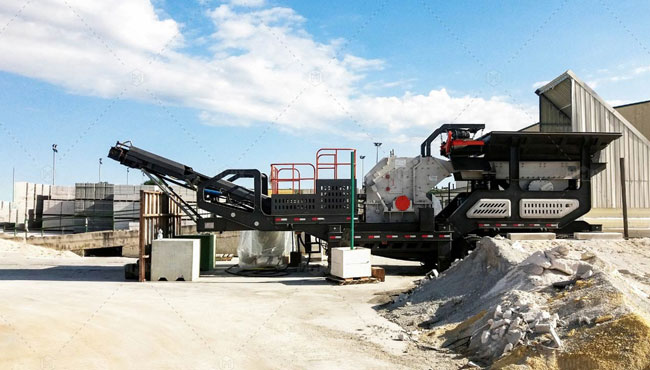
Cramped urban demolition sites often lack sufficient space for permanent stationary batching structures. Deploying a track-mounted mobile impact crushing plant solves tight site restrictions effortlessly. The high-speed rotor impacts concrete slabs and shatters them along natural fracture lines. Consequently, this impact action produces nicely shaped cubical aggregates for high-value road sub-base uses. Furthermore, operators drive tracked mobile units directly to working demolition piles across rough terrain easily. This mobile capability eliminates expensive haul truck transport within the active job site boundary.
Fine Particle Shaping with a Cone Crusher Machine
Specialized recycling contracts demand precise particle gradations for asphalt and concrete production tasks. In this situation, installing a secondary cone crusher machine guarantees consistent particle dimensions. The rotating mantle compresses concrete pieces continuously against a stationary concave bowl liner. In addition, modern cone units feature automated hydraulic tramp release systems for metal protection. When stray steel rebar enters the crushing chamber, hydraulic relief valves open automatically to discharge metal. Consequently, operators maintain high aggregate quality while protecting internal drive components from severe mechanical damage.
Operational Maintenance for Concrete Recycling Sites
Operating heavy machinery in dusty demolition environments requires disciplined daily maintenance routines. Field technicians must perform strict inspections before starting daily recycling operations.
Daily Hydraulic Care and Belt Inspections
Abrasive concrete dust harms hydraulic seals and clogs cooling radiators very quickly. Therefore, technicians must clean hydraulic cooling fans and inspect dust seals during every operational shift. In addition, inspect product conveyor belts regularly for small cuts caused by sharp metal edges. Repairing minor belt damage early prevents catastrophic belt tearing and unexpected production shutdowns. Clean hydraulic fluid prevents internal valve sticking and protects expensive hydraulic pumps from premature wear.
Inspecting Magnetic Separators and Wear Components
Check cross-belt magnetic separators daily to ensure continuous steel removal from product discharge belts. Accumulated scrap metal reduces magnetic efficiency and allows sharp steel pieces into secondary crushers. Furthermore, monitor manganese wear liner thickness on jaw and cone crusher machine regularly. Replacing worn liners early prevents costly structural frame damage and maintains consistent particle sizing. Disciplined preventive care extends component service life and lowers total operational costs per ton significantly.
Strategic Guidelines for Equipment Buyers
Purchasing equipment requires balancing initial machinery purchase costs against long-term operational efficiency. Contractors should follow clear evaluation steps before signing final equipment purchase contracts.
First, evaluate maximum feed slab dimensions and steel percentage in your raw demolition material. Second, calculate your required hourly output target in tons to meet contract delivery schedules. Third, evaluate site mobility requirements and select appropriate engine horsepower for tracked machinery. Fourth, verify local spare parts stock and technical field support availability in your region. Following these practical guidelines ensures strong financial returns and high operational uptime for your business.
Conclusion
Selecting suitable concrete crushing equipment improves site independence and overall project profitability significantly. Versatile machinery like a mobile impact crushing plant provides essential flexibility on cramped urban job sites. Meanwhile, combining a primary jaw crusher machine for sale with a cone crusher machine maximizes aggregate quality. Select rugged equipment to build an efficient, safe, and profitable concrete recycling operation today.