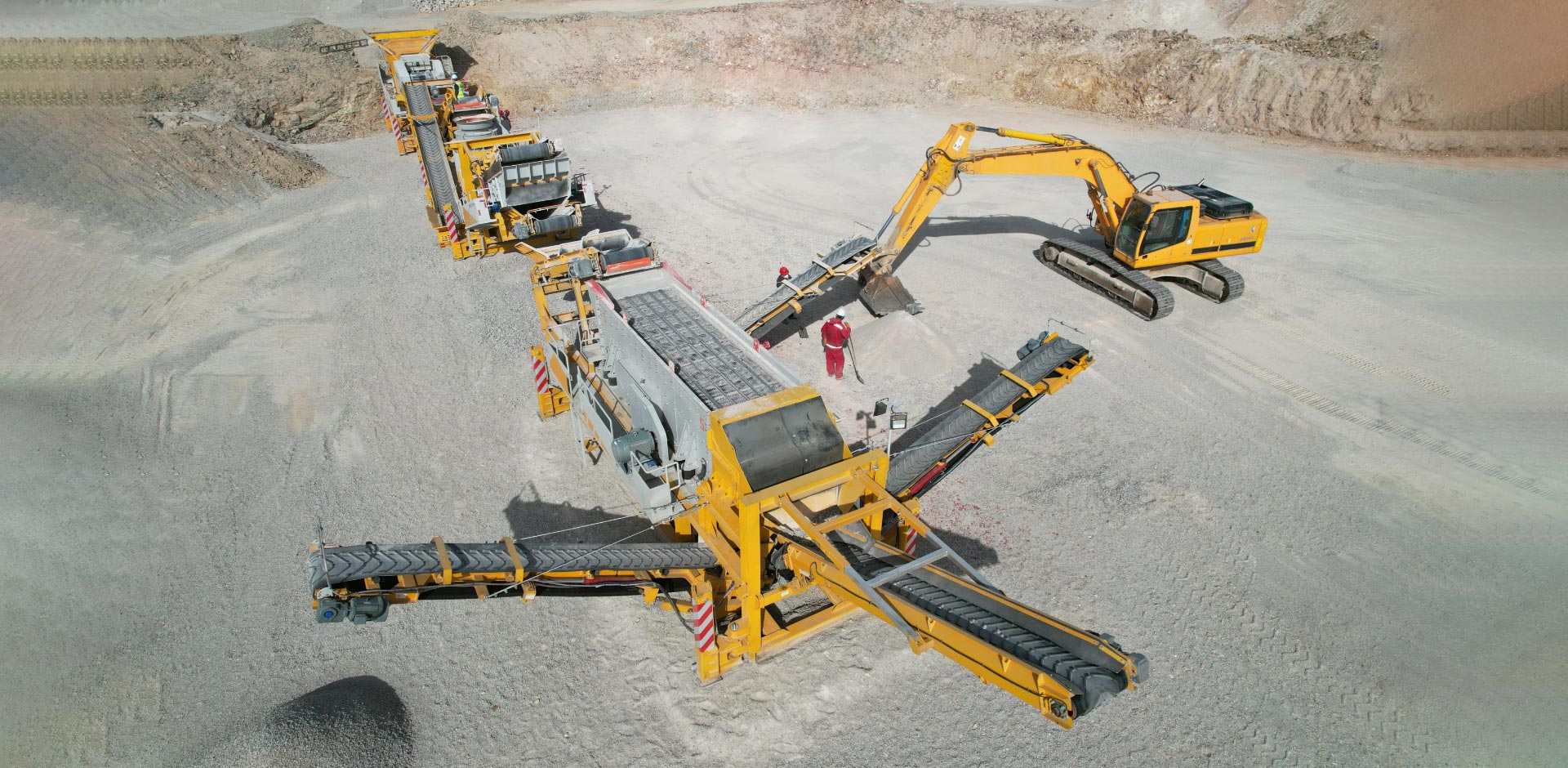
The Chilean mining sector is globally recognized for its rigorous adherence to safety and operational excellence. As the world’s primary copper producer, the nation has established a comprehensive regulatory framework to mitigate risks associated with heavy industrial activities. For operators utilizing a stone crusher Chile(trituradora de piedra Chile), compliance is not merely a legal obligation but a fundamental component of operational sustainability. This manual outlines the critical safety protocols and regulatory requirements for crushing plants, ensuring that high-performance output never comes at the cost of human life or environmental integrity. Integration of advanced technology in crushing circuits has necessitated a sophisticated approach to risk management, where mechanical durability meets stringent legislative oversight. As mining depths increase, the stability of an aggregate crusher plant becomes paramount to maintaining the global supply chain safely.
The Regulatory Framework: Supreme Decree 132
In Chile, the primary legal instrument governing mining safety is Supreme Decree 132 (DS 132). Managed by the National Geology and Mining Service (SERNAGEOMIN), this regulation sets the baseline for every aggregate crusher plant operating within the country. The decree is exhaustive, covering everything from structural integrity to the specific qualifications of personnel. It mandates that all equipment must be fit for purpose and maintained in a state that prevents accidental failures. For international companies, understanding the nuances of DS 132 is the first step toward securing an operational permit in the Chilean market. Under DS 132, all machinery—including primary jaw crushers and secondary cone crushers—must undergo rigorous certification before commissioning. Operators must maintain auditable logs of maintenance and safety device testing, ensuring that whether you operate a fixed facility or a mobile stone crusher(trituradora de piedra móvil), the equipment meets specific mechanical safety benchmarks designed for the harsh Andean geography.
Essential Safety Protocols for Crushing Operations
Lockout, Tagout, and Tryout (LOTOTO)
Mechanical energy is one of the highest risks in a stone crusher Chile. Chilean standards mandate a strict Lockout, Tagout, and Tryout (LOTOTO) procedure. Before any maintenance or clearing of a blockage, all energy sources—electrical, hydraulic, and kinetic—must be isolated and dissipated. In a large aggregate crusher plant, this means ensuring massive flywheels are completely stationary, as their stored energy remains lethal after power is cut. Personnel must use individual padlocks, and the system’s “zero energy state” must be verified by attempting to start the machine after locking it out. This “Tryout” phase is a critical legal requirement in Chilean mining to ensure isolation was successful.
Guarding and Physical Barriers
Moving parts, such as flywheels, drive belts, and pulleys, must be enclosed in high-durability guards that meet SERNAGEOMIN specifications. According to Chilean safety manuals, these guards must require a specialized tool for removal, preventing unauthorized access during operation. In an aggregate crusher plant, these barriers also protect against fly-rock ejected from the crusher throat. All walkways and platforms surrounding the stone crusher Chile must feature non-slip surfaces and standardized toe boards to prevent tools from falling onto workers below. The design must ensure that guards cannot be bypassed during routine checks, maintaining a permanent shield between the operator and the mechanical hazards.
Managing Environmental and Health Hazards
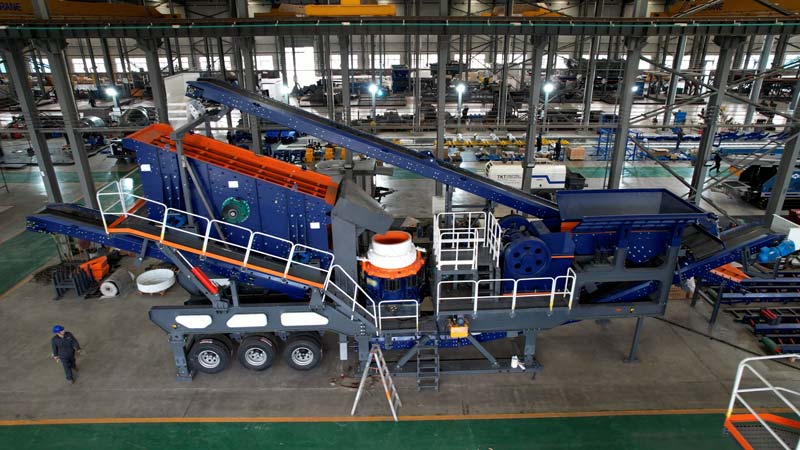
Crushing operations are inherently dusty and noisy, posing long-term health risks. In high-altitude regions, dust control is a primary safety pillar. Compliance manuals require the integration of high-pressure water misting systems or dust extraction units at all transfer points. For a mobile stone crusher, these systems must be self-contained or easily integrated into the site’s water supply. The goal is to keep respirable dust below strict limits set by the Ministry of Health, ensuring workers are not exposed to high concentrations of silica. Noise control is equally vital; any aggregate crusher plant(alguna planta chancadora de áridos) exceeding 85 decibels must implement engineering controls, such as acoustic enclosures for control cabins and operator stations. Regular “Silica Monitoring” and audiometric testing are mandatory for all staff working near heavy crushing equipment.
Mobile vs. Fixed Crushing Plants: Compliance Nuances
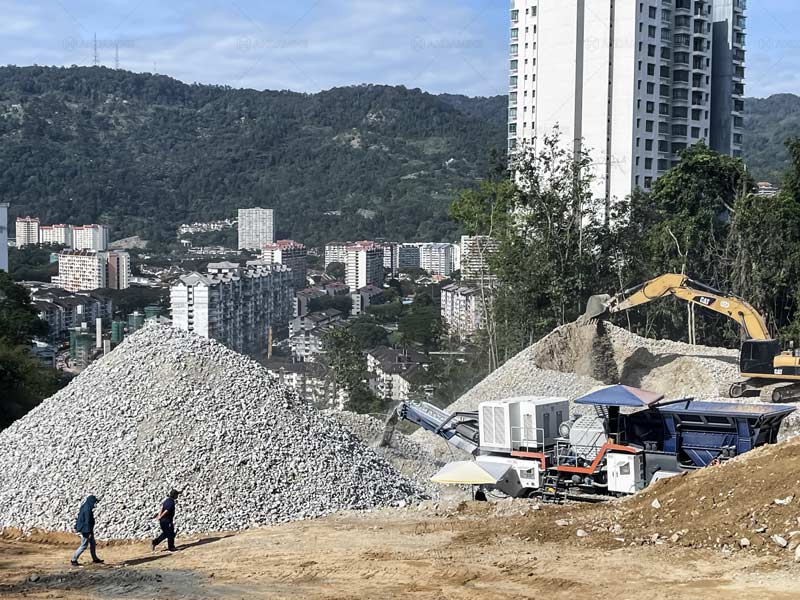
While fixed plants focus on structural stability, a mobile stone crusher introduces challenges like stability on uneven terrain and proximity to site traffic. Chilean standards require mobile units to have automatic leveling systems with hydraulic supports to prevent tipping during high-torque phases. Because these units move frequently, “Grounding and Earthing” protocols must be re-verified at every new setup to prevent electrical strikes. Furthermore, mobile operations must have clearly defined exclusion zones to separate heavy machinery from pedestrian paths and light vehicle traffic. Fire suppression is another area of scrutiny; a mobile stone crusher must often be equipped with integrated, automatic fire suppression systems around the diesel engine and hydraulic packs, capable of manual or automatic triggering.
Regional Comparison: Stone Crusher Peru Standards
Operators often compare Chilean standards with a stone crusher Peru. While both nations share high-altitude challenges, Peru’s OSINERGMIN and SUNAFIL agencies place heavy emphasis on “Social License” and community environmental impact. In Peru, the management of waste rock from a stone crusher Peru(procedentes de uan chancadora de piedra Perú) is strictly scrutinized regarding local water rights. However, Chilean mechanical safety standards are generally more prescriptive regarding machine engineering. For companies operating in both jurisdictions, aligning Chilean DS 132 standards with Peruvian Occupational Health and Safety (OHS) laws ensures a robust regional safety culture. Adopting the most stringent aspects of both systems—such as Chile’s LOTOTO rigor and Peru’s environmental monitoring—protects an aggregate crusher plant owner against legal liabilities and operational disruptions on either side of the border.
Safety as a Competitive Advantage
Adhering to Chilean mining machinery safety standards is an investment in the long-term viability of any mining project. By following the detailed guidelines for stone crusher Chile installations—from rigorous energy isolation to the advanced environmental controls required for a mobile stone crusher—companies achieve maximum productivity while safeguarding their workforce. In the competitive landscape of South American mining, safety is the ultimate differentiator. Whether managing a sprawling aggregate crusher plant or a single stone crusher Peru, the principles of engineering excellence and human-centric safety remain the foundation of success. As the industry evolves toward automation, these standards will ensure that Chile remains at the forefront of global mining safety, efficiency, and professional integrity.