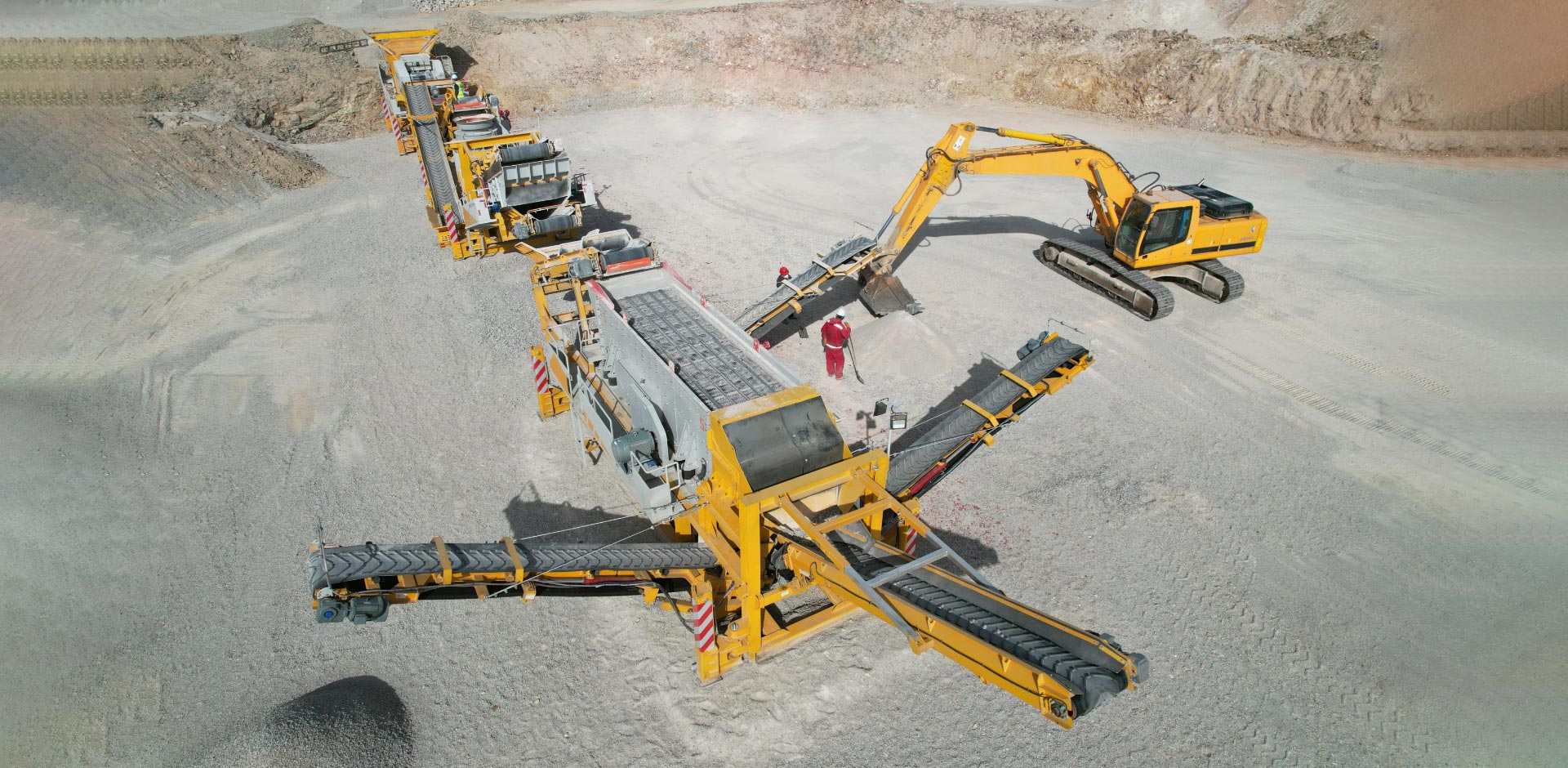
The quoted stone crusher plant cost is only the starting point for evaluating a quarry project. What matters more is whether the equipment matches the rock, required capacity, aggregate sizes, site conditions, and local market. A cheaper quotation can become more expensive if the plant produces too many fines, operates below its practical capacity, or requires costly modifications after installation. For quarry owners, the better approach is to connect equipment investment with actual saleable production rather than comparing machine prices alone.
What Does Your Quarry Actually Need?
Before calculating stone crusher plant cost, define the production problem that the plant needs to solve. The most important factors include raw material type, maximum feed size, required output, target aggregate sizes, expected working hours, and the quantity that the local market can absorb.
A limestone quarry producing one or two coarse aggregate sizes may need a relatively simple crushing and screening circuit. A granite or basalt quarry producing several specifications can require additional crushing stages, screening capacity, and controlled recirculation. Therefore, two quarries with the same production target can have very different equipment requirements and investment levels.
This is why buying a plant based only on a supplier’s capacity number can create a mismatch. A crusher rated at 300 TPH may look attractive, but if the quarry can realistically sell only 150 TPH, much of that capacity becomes unused capital. Conversely, an undersized plant may force the owner to operate continuously or accept insufficient production.
Stone Crusher Plant Cost Should Follow Saleable Production
The key difference between equipment capacity and business performance is saleable production. Material entering the crusher is not automatically revenue-generating aggregate. Some material may become fines, oversize, recirculated material, or waste depending on the crushing circuit and product requirements.
Suppose a quarry needs 1,000 tons of finished aggregate per day. The plant should be evaluated according to how many saleable tons it can realistically produce during the available working hours. This includes the effects of screening efficiency, crusher settings, material characteristics, maintenance, and planned downtime.
A slightly higher stone crusher plant cost can therefore make sense when it improves product yield or reduces bottlenecks. For example, a properly sized screen may cost more initially but help maintain consistent product sizes and prevent the crusher from becoming overloaded with recirculated material.
Why Local Machine Prices Can Be Misleading
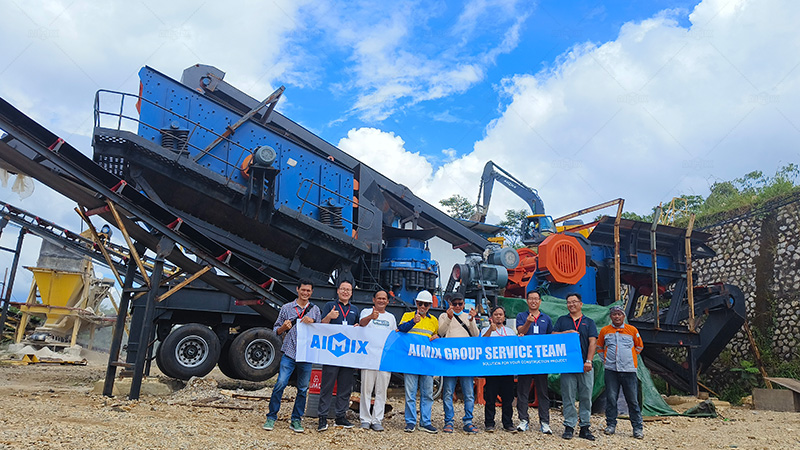
Online searches for harga stone crusher indonesia can produce a wide range of prices. However, an advertised equipment price should not be treated as the final project investment. Quarry owners also need to consider transportation, site preparation, installation, electrical systems, conveyors, spare parts, wear parts, and commissioning.
Indonesia is particularly sensitive to logistics because quarry locations and infrastructure vary greatly between islands. A plant located close to a major construction market in Java may have a different cost structure from a remote quarry in Sumatra, Kalimantan, Sulawesi, or Papua. Moving equipment and aggregate over long distances can significantly change the economics of the project.
The same principle applies when researching the stone crusher machine price in Philippines. Island geography can make transportation an important part of the total investment. A machine with a lower purchase price may not provide the lowest overall cost if delivery, installation, maintenance access, or replacement parts are more difficult.
Match the Crushing Process to the Rock
Raw material characteristics can create another major gap between what a quarry buys and what it actually needs. Limestone, granite, basalt, river stone, and other materials behave differently during crushing. Hard and abrasive rock can increase wear consumption, while certain feed conditions can affect throughput and product shape.
A plant should therefore be designed around the material rather than selected from a generic capacity list. The correct combination of primary crushing, secondary or tertiary reduction, and screening depends on the required final products.
The objective is not to install as many machines as possible. It is to create the simplest practical process that can consistently meet the required specifications. Unnecessary equipment increases capital expenditure, maintenance requirements, energy consumption, and the number of potential failure points.
How to Start a Stone Crusher Business With the Right Cost Structure
For investors considering how to start a stone crusher business, equipment selection should come after market and quarry analysis. The first question is not “Which crusher should I buy?” but “What aggregate can I sell, and how much can I sell?”
Start by identifying nearby construction projects, road contractors, concrete producers, asphalt plants, and aggregate distributors. Their requirements can reveal which product sizes have the strongest demand. Then evaluate the quarry’s recoverable reserves, material quality, access roads, power availability, and expected production volume.
After that, build the plant around realistic sales rather than maximum theoretical capacity. A smaller plant with high utilization can be financially stronger than a much larger plant operating far below its design capacity. At the same time, the layout should leave room for future expansion if demand grows.
The Real Cost Includes What Happens After Installation
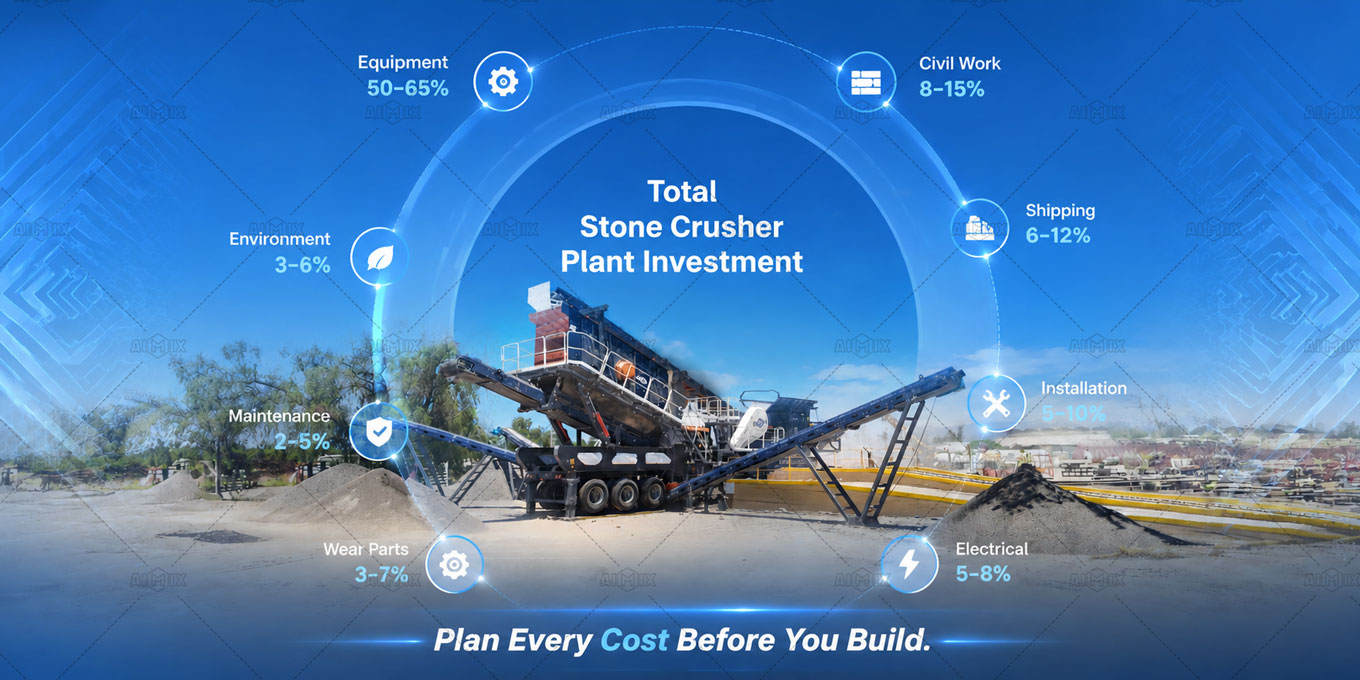
Initial equipment expenditure is only one part of stone crusher plant cost. Operating expenses, wear parts, fuel or electricity, labor, maintenance, and downtime can have a greater impact on long-term profitability.
For example, a low-priced crusher that requires frequent maintenance may create more lost production than a higher-quality machine with better reliability. Similarly, a poorly arranged conveyor system can create material bottlenecks that reduce the output of otherwise capable crushers.
For this reason, quarry owners should compare solutions using indicators such as cost per saleable ton, expected utilization, product yield, maintenance requirements, and expected service life. These figures provide a much clearer picture than the equipment quotation alone.
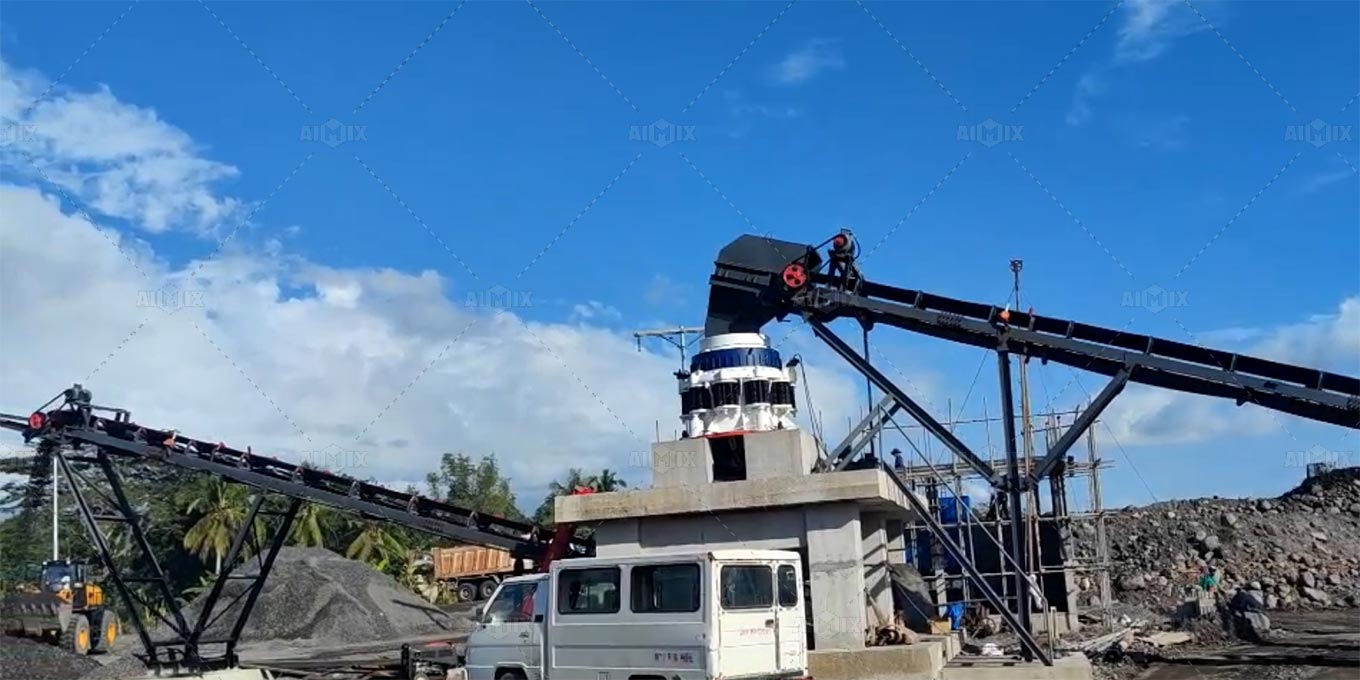
Buy for the Quarry You Have—and the Market You Can Reach
The best stone crusher plant is not necessarily the cheapest or the largest. It is the one that fits the quarry’s material, production target, product specifications, logistics, and sales potential. When these factors are aligned, the equipment investment has a much better chance of producing consistent saleable aggregate.
Ultimately, the gap between what you buy and what your quarry needs is where many crushing projects lose money. By starting with the material and market, calculating realistic saleable production, and evaluating total operating economics, investors can turn stone crusher plant cost from a simple equipment price into a practical business decision.