Choosing the right asphalt plant capacity looks simple at first. Many contractors believe it is just a number.
However, this decision often determines whether a project runs smoothly or struggles from day one.
In reality, selecting the wrong capacity is one of the most common and costly mistakes in the asphalt industry.
From our experience working with road contractors and infrastructure companies, this mistake does not come from a lack of effort.
Instead, it comes from misunderstanding real project needs.
To help you avoid this problem, we will break down what goes wrong, why it happens, and how to make a smarter decision.
Understanding Asphalt Plant Capacity Beyond the Nameplate
Before discussing mistakes, it is important to clarify what asphalt mixing plant capacity really means.
Most manufacturers label capacity as “60 TPH,” “120 TPH,” or “160 TPH.”
These figures describe the maximum theoretical output under ideal conditions.
In real projects, ideal conditions almost never exist.
Moisture in aggregates, unstable power supply, material handling delays, and operator skills all affect output.
As a result, real production often drops by 15% to 30%.
This gap between theory and reality creates confusion.
And this confusion often leads directly to the most common mistake.
The Most Common Mistake: Choosing Capacity Based Only on Peak Demand
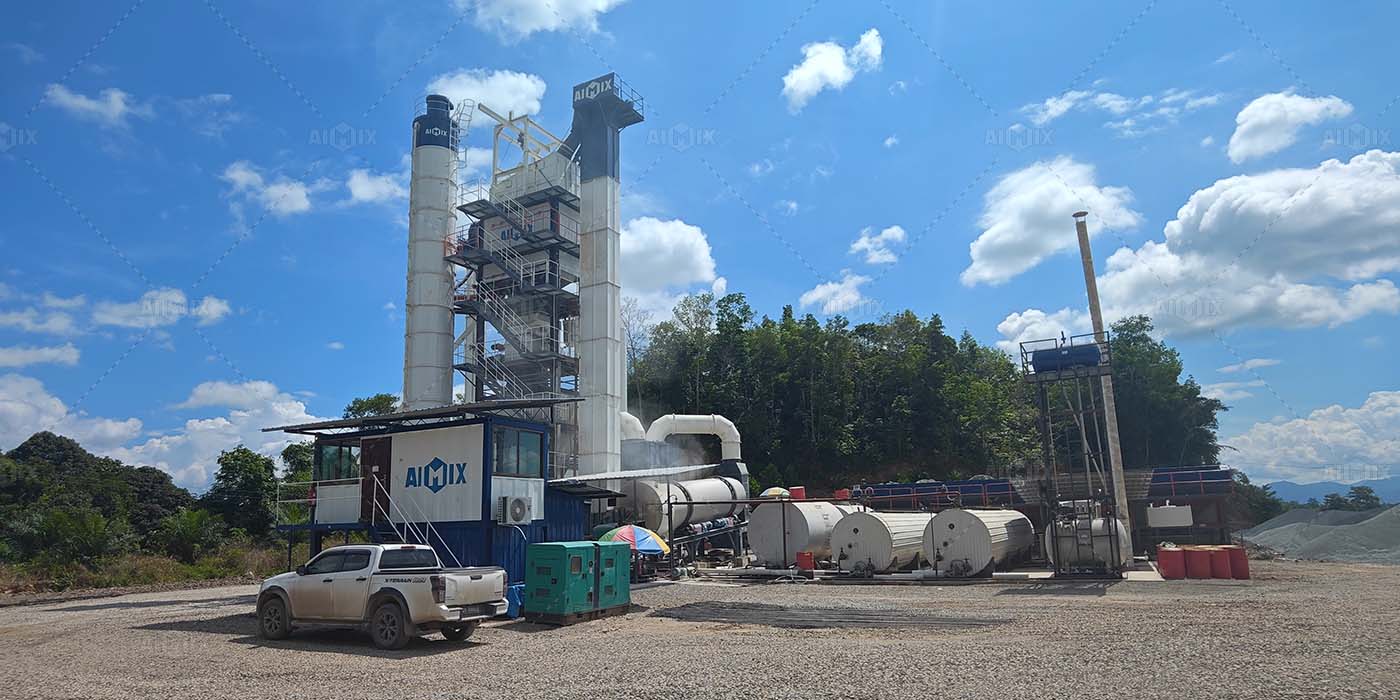
The most common mistake when selecting asphalt plant capacity is choosing a plant only based on peak daily demand.
Many buyers calculate the highest tonnage they may need and then match it directly to a plant model.
At first glance, this approach feels safe.
After all, nobody wants production shortages.
However, this logic ignores how asphalt batch mix plants actually operate on construction sites.
To understand why this matters, we need to look at real project conditions.
Peak Demand Is Not Daily Reality
Road projects rarely run at peak demand every day.
Weather changes, traffic control, and site coordination slow down paving work.
Even large highway projects often operate at 60% to 80% of planned output.
If you choose a plant only for peak output, the plant will stay underloaded most of the time.
This leads to higher fuel consumption per ton and unnecessary wear.
As a result, production costs increase instead of decreasing.
Oversized Plants Increase Hidden Costs
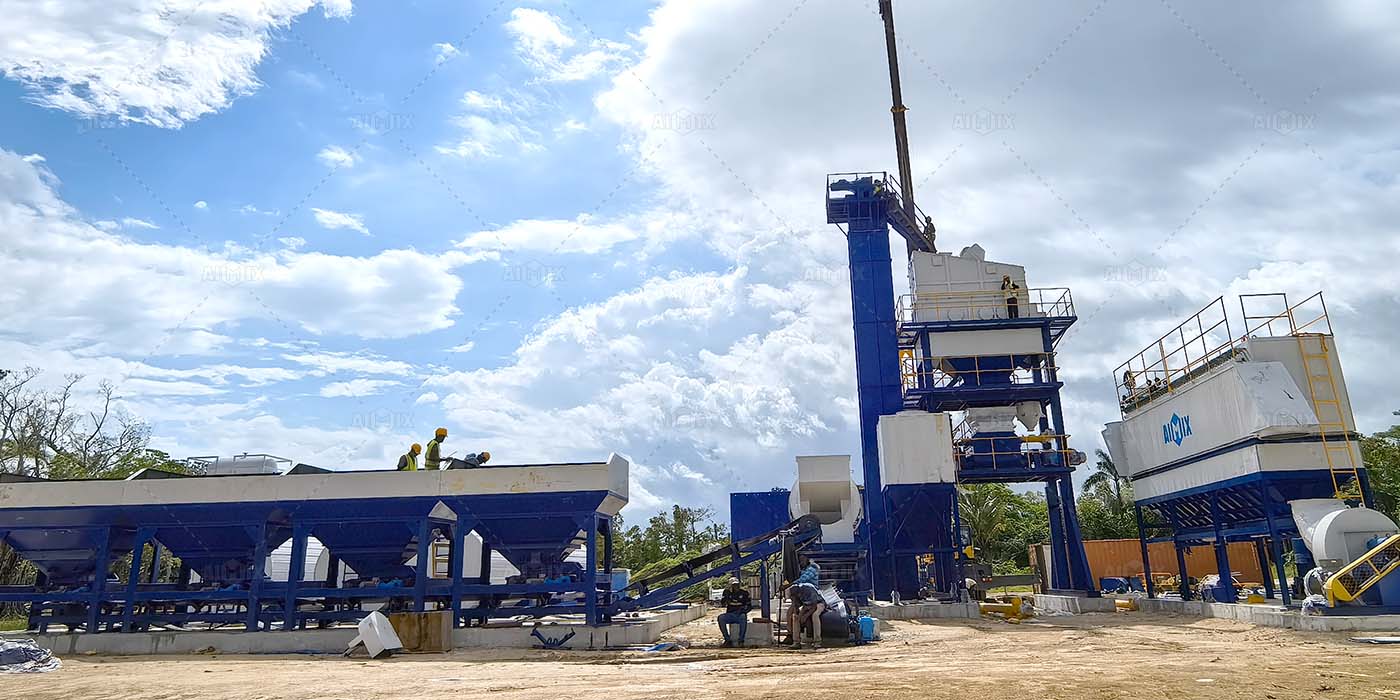
An oversized asphalt plant does not only cost more upfront.
It also increases operating costs.
Larger burners consume more fuel.
Bigger dryers need more maintenance.
Higher power demand raises electricity expenses.
Meanwhile, the plant may never reach its designed efficiency range.
This situation hurts profitability in the long run.
Therefore, capacity should match real working conditions, not theoretical extremes.
Why This Mistake Happens So Often
Now that we know the mistake, the next question is simple.
Why do so many contractors still make it?
Several practical reasons explain this pattern.
Fear of Production Bottlenecks
Contractors fear delays more than anything else.
Late asphalt delivery can stop paving crews instantly.
Because of this fear, many buyers choose a “bigger is safer” strategy.
However, safety does not always come from size.
It comes from stability, reliability, and proper planning.
Ignoring Actual Working Hours
Many capacity calculations assume 8 or 10 working hours per day.
In practice, effective production hours are often shorter.
Setup time, truck waiting, and site coordination reduce real output time.
If you ignore these factors, your capacity calculation becomes unrealistic.
Over-Reliance on Simple Formulas
Some buyers rely on simple formulas found online.
For example, they divide total project tonnage by project days.
While this method looks logical, it ignores many real-world variables.
As a result, the final capacity choice often misses the mark.
A More Practical Way to Select Asphalt Plant Capacity
If peak-demand thinking does not work, what should you do instead?
The answer lies in a balanced and realistic evaluation process.
Step 1: Analyze Average Daily Production Needs
Start with average daily demand, not the maximum.
Calculate how much asphalt you need on a typical working day.
Then consider realistic production hours.
This method creates a more stable and achievable baseline.
Step 2: Add a Reasonable Safety Margin
Instead of doubling capacity, add a controlled safety margin.
A margin of 10% to 20% usually works well.
This buffer covers unexpected delays without causing long-term inefficiency.
Balance matters more than extremes.
Step 3: Consider Material Conditions
Aggregate moisture plays a key role in asphalt production.
High moisture reduces dryer efficiency.
If your aggregates come from rivers or rainy regions, real output will drop.
Capacity selection must reflect local material conditions.
Step 4: Match Plant Type to Project Nature
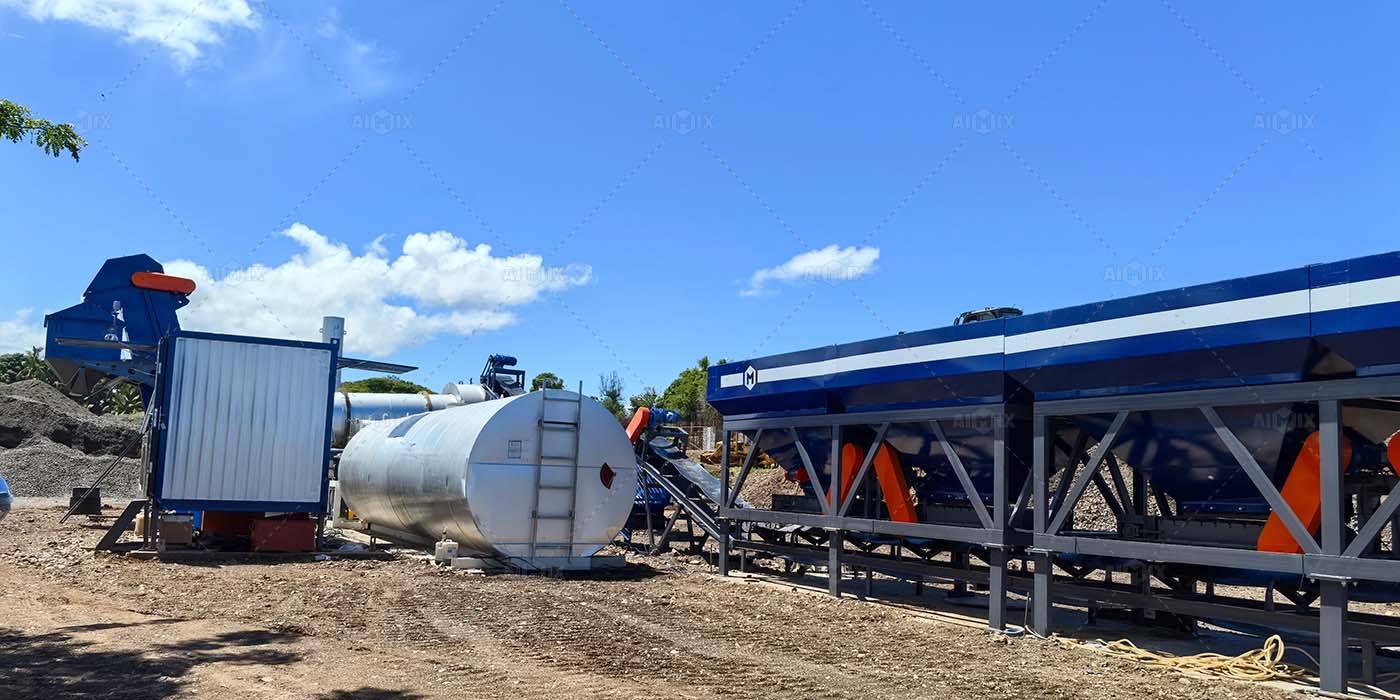
Batch plants and drum mix plants behave differently.
Batch plants offer flexibility.
Drum plants focus on continuous output.
Choosing the right type helps optimize capacity usage.
How the Right Capacity Improves Project Performance
When capacity matches reality, many benefits follow naturally.
Stable Production Rhythm
A properly sized hot mix asphalt plant runs smoothly.
It avoids frequent stops and starts.
This stability protects equipment and improves asphalt quality.
Lower Cost Per Ton
Efficient loading reduces fuel consumption per ton.
Maintenance intervals become more predictable.
Over time, operating costs drop.
Better Coordination With Paving Crews
When output matches paving speed, trucks flow smoothly.
Crews wait less.
Schedules become easier to control.
This harmony improves overall project efficiency.
Learning From Real Industry Experience
In many projects we have supported, clients initially planned to buy larger plants.
After reviewing real demand, they adjusted capacity downward.
In most cases, these clients reported better fuel efficiency and fewer breakdowns.
They also achieved more consistent asphalt quality.
These results confirm one key idea.
Smart capacity selection beats blind oversizing.
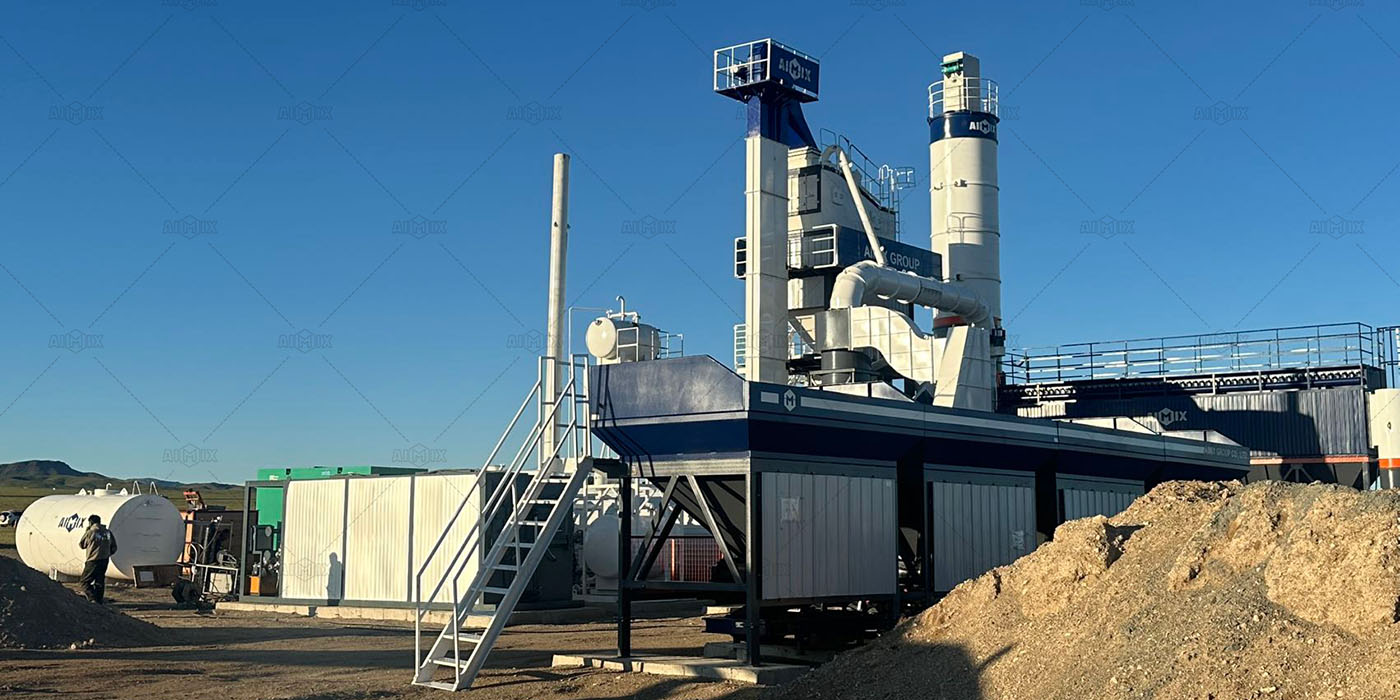
How AIMIX Helps Clients Avoid This Mistake
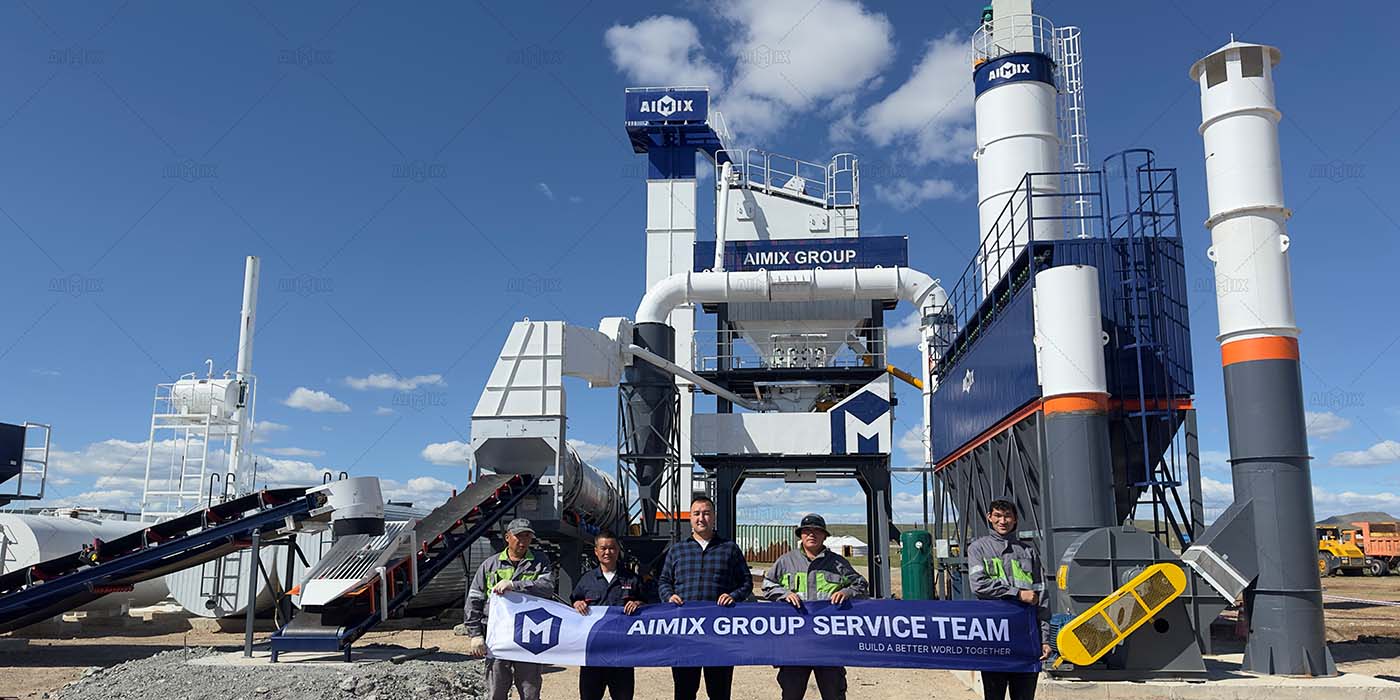
As one of outstanding asphalt plant manufacturers, we do not recommend capacity based on catalogs alone.
We start with your project details.
We analyze production rhythm, material conditions, and construction schedules.
Our engineering team focuses on long-term value, not just initial output numbers.
This approach helps clients avoid costly mismatches.
As a result, many contractors achieve better returns with well-matched asphalt plants.
Final Thoughts: Choose Capacity With Clarity, Not Fear
Selecting asphalt plant capacity is not about choosing the biggest machine.
It is about choosing the right one.
The most common mistake comes from chasing peak demand without understanding daily reality.
By focusing on average needs, real conditions, and balanced margins, you can avoid this trap.
If you are planning an asphalt project and want expert guidance, AIMIX is ready to help.
Contact our team today to discuss your real production needs and find a solution that truly fits your project.